Categories
Member Profiles

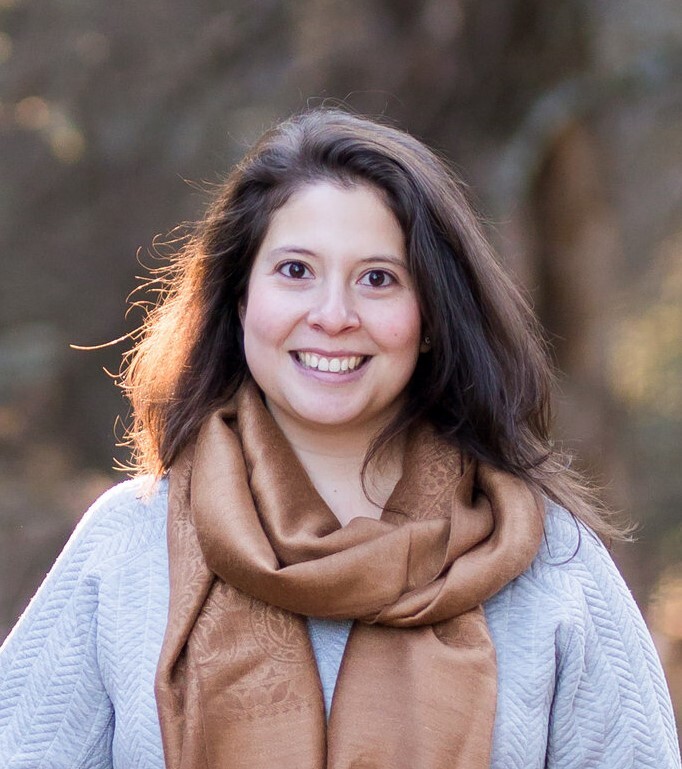
Member Profile: Elizabeth Jule Gladoun

Elizabeth is a transportation analyst at VHB, where she specializes in providing transportation consulting services for New York City real estate and public infrastructure projects. Her work involves conducting traffic impact analyses towards the environmental review process, as well as providing transportation solutions through traffic and transit simulation modeling. She attended New York University’s Tandon School of Engineering, where she graduated with a B.S. in Civil Engineering and an M.S. in Transportation Planning and Engineering. When she’s not in the office, Elizabeth is singing with her choral group, enjoying the outdoors, or baking!

What do you most enjoy about YPT?

One of the most engaging aspects about YPT is the offering of unique events hosted throughout the year. As a student, I enjoyed attending site visits during the summer. Through YPT I also learned about TransportationCamp, and how to get involved as a volunteer, and eventually as a Committee member.

What’s your preferred transport mode and why?

While all modes have their positives, I’ve always been a fan of walking the most, especially when I’m travelling to new cities. I love getting my steps in, but also slowing down to see something new, even in New York City where I grew up and still live.

What are you working on that you’re most passionate or proud about (transit-related)?

My most recent project – and one I’m very excited about – is the Brooklyn – Queens Connector (BQX), a streetcar system proposed to run along an 11-mile route from Astoria, Queens to Red Hook, Brooklyn. The streetcar would aim to reduce travel times for New Yorkers making multiple seat rides, while providing ADA accessibility as well as environmental benefits to neighborhoods. BQX exposed me to new simulation modeling techniques, and gave me a challenging opportunity to work on a project that would alter the city’s footprint while giving New Yorkers an essential alternative to overburdened subway lines and bus routes.

What is the biggest transit-related problem that you’d like to help solve?

I believe the key to resolving many, if not all, of transit related and infrastructure issues comes down to funding. New York City’s transportation network is long overdue for a makeover, and I’m interested in learning how we can properly allocate the funds to give New Yorkers the transit service they deserve.

Do you have any tips (career advice) for YPT’ers interested in your career path?

Don’t be afraid to go to networking events! Starting out, I always felt better going with a group of friends. It’s a great way to meet people in the industry and make connections for future opportunities, whether it’s an internship, full-time job, or even a chance to collaborate on a project.

Categories
Member Profiles

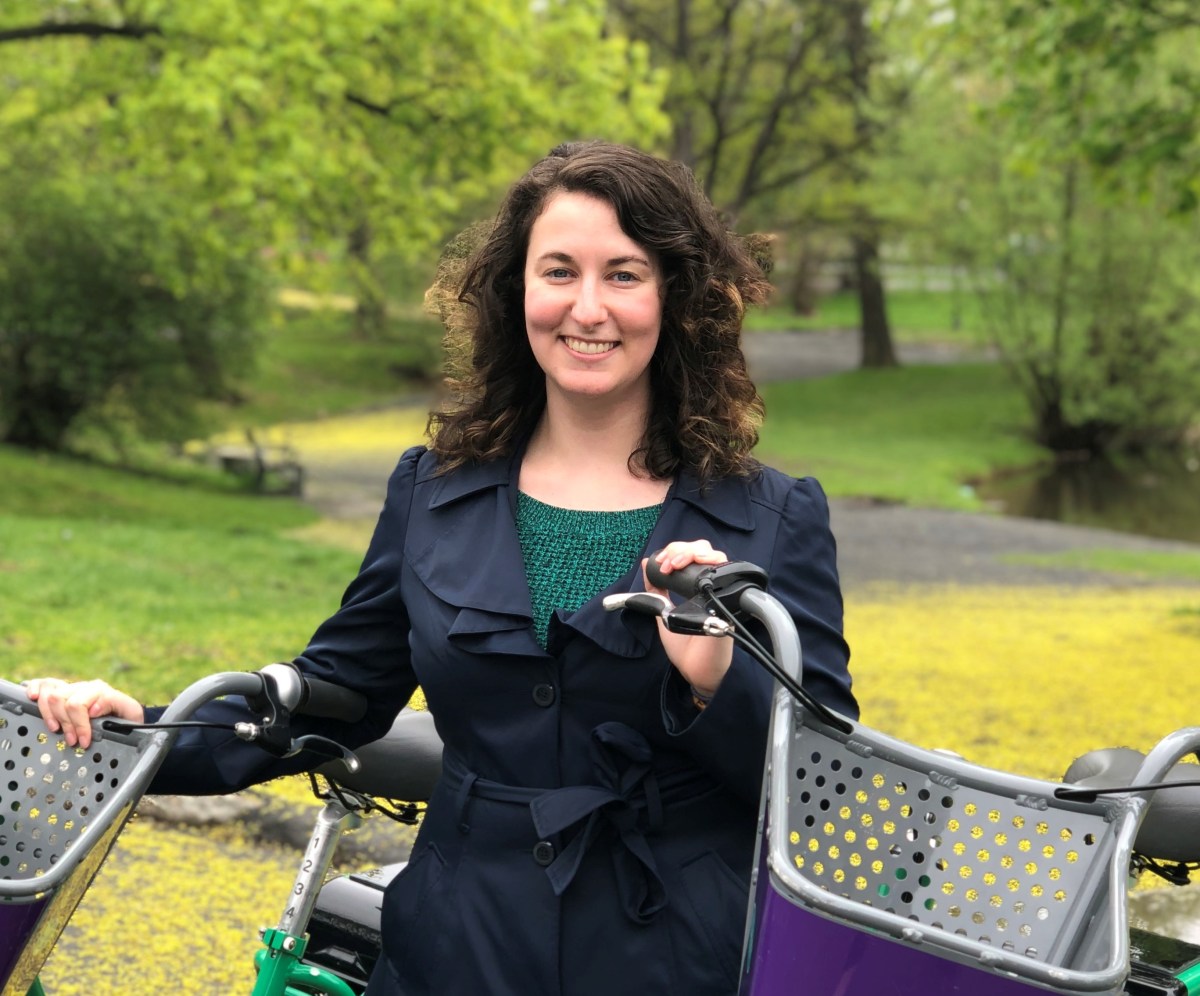
Member Profile: Tiffany Cummings

Tiffany Cummings is a transportation engineer at Stantec, specializing in long-term traffic and revenue forecasting for toll roads and managed lanes. She has been an active member of Women’s Transportation Seminar (WTS) since 2014 when she joined the Young Professionals committee, later becoming a co-chair of the committee from 2016 through 2019. As part of this committee, Tiffany has partnered with YPT and APA to plan the annual Transportation Trivia Night. Tiffany is a proud Tiger fan, graduating with a B.S. degree in Civil Engineering from Clemson University in 2011. In her spare time, Tiffany enjoys cooking, reading, and biking; she is often seen riding a CitiBike to work or carrying her helmet to and from WTS and YPT events.

What do you most enjoy about YPT?

The sheer variety and quantity of events that are offered – it seems like there’s an event for everyone!

What’s your preferred transport mode and why?

Biking – In most cases, it is the fastest, greenest, and cheapest way to get around NYC. It also makes commuting more fun since biking gives a burst of energy to start your day.

What are you working on that you’re most passionate or proud about?

I am proud of the work I’ve been doing over the last few years for a toll road client in Austin, TX. My first traffic and revenue forecast for them was in 2015, when they first began the financing process for a much-needed project to improve congestion in the region. That toll facility’s first phase opened just a few months ago and it’s exciting to see how the actual performance of the road compares to our forecasts.

What is the biggest transit-related problem that you’d like to help solve?

I’d like to generally get more people to take mass transit. I think buses are an undervalued option that more cities could take advantage of to help address growing vehicular congestion. There’s a book that’s on my list to read (Better Buses Better Cities by Steven Higashide) that discusses ways to improve the bus riding experience. Who knows – maybe after reading it, I’ll feel inspired to be a bus advocate!

Do you have any tips (career advice) for YPT’ers interested in transportation engineering?

The transportation industry is a relatively small, close-knit community. Get to know the people you meet and be sure to treat them with respect. Even if it’s a minor encounter at a YPT event and you think you will never see them again, they could turn up across the table at a project kick-off meeting or job interview. Going to networking events may be hard at first, but most people who attend are friendly and want to talk to others – otherwise they would have stayed home!

Categories
Member Profiles

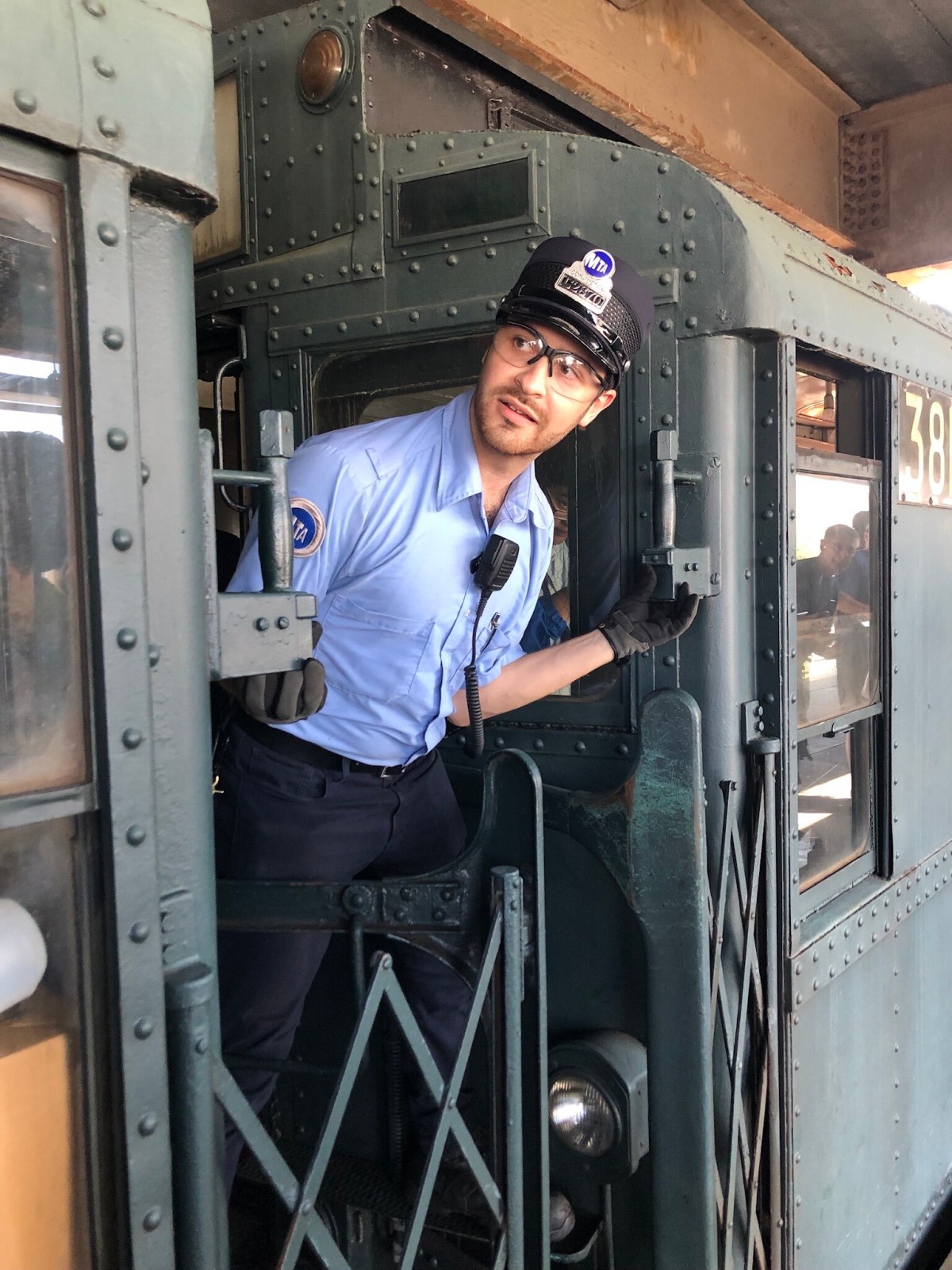
Member Profile: Mary Buchanan

Mary Buchanan is the research associate at TransitCenter. Her work uncovers practical, rider-focused solutions that make transit more functional and more equitable in U.S. cities. Some of her work addresses improving bus stops, understanding ridership decline, and using transit performance data to strengthen advocacy for better service. Mary holds a B.A. in Economics from Rice University and a Masters in City and Regional Planning from Rutgers University.

What do you most enjoy about YPT?

Having a network to draw on for professional connections is great, but the thing I like most is meeting people who are as nerdy about transit and cities as me. It’s valuable to dig into issues I’m facing at work or experiencing on my daily commute, with people who really know and care about these questions. And it’s fun to do that over a beer.

What’s your preferred transport mode and why?

Walking! It’s the exploring mode, because you can take in a lot more of your surroundings from the sidewalk. And you control everything about it – how fast you go, which path you take, if and when and where you stop. For short trips in New York City, walking can be fastest (if you walk fast, which I do). Plus, the exercise and fresh air.

What are you working on that you’re most passionate or proud about?

Transit agencies are required to provide equitable transit – where everyone has fair access to quality service. In reality, people of color, people with low incomes, and other marginalized groups – who often use transit more – are allotted lesser service and have worse access to opportunity. TransitCenter, with Center for Neighborhood Technology, seeks to understand what decisions at transit agencies cause these imbalances, identify which existing agency policies have led to equitable outcomes, and build a set of processes for achieving equitable transit broadly. I’m excited to contribute to a body of work by advocates, academics, and practitioners that’s called for transformative changes to how we govern and plan transit to make it equitable, as it’s meant to be.

What is the biggest transit-related problem that you’d like to help solve?

Most of our country’s sidewalks are in deplorable conditions, and in most of the U.S., there aren’t any sidewalks at all. Walking feels impossible, taking transit feels impossible – in fact, it is nearly impossible to travel by anything but a car. Changing this sidewalk status quo would make walking and transit attainable for many more trips, it would make driving and biking safer as well.

Do you have any career advice for YPT’ers interested in advocacy/organizing work?

It’s easiest and most rewarding to advocate for something you really believe in. And, advocacy takes all forms – it’s much richer than rallying cries and signs. Identify what your strengths are and offer those skills up to your cause.

Categories
Member Profiles

Member Profile: Lauren Bailey

We’re excited to launch this year’s member profile series with Lauren Bailey, the Director of Climate Policy at the Tri-State Transportation Campaign!

Lauren works to fulfill Tri-State’s priority to meet climate goals. Previously, Lauren served as the Capital District’s Transportation Authority’s Mobility Manager, overseeing their alternative transportation portfolio including a bike-share program, taxi policy, and microtransit. She also has experience in policy development and advocacy, including clean energy and healthcare. Lauren holds a Master’s Certificate in Urban Policy and a B.A. in Political Science & Public Health from the University at Albany, State University of New York.

What do you most enjoy about YPT?

Having a way to talk about the transportation and transit industry with my peers without the pressure of representing my organization–and getting to joke about it. Transportation can be a slog, and it’s fun to talk to other people who find it interesting as well.

What’s your preferred transport mode and why?

Biking! It’s freeing to not have to stress about traffic or making a public transit timetable work. Plus, the breeze and fresh air always put me in a good mood–even biking through Manhattan.

What are you working on that you’re most passionate or proud about?

I think I am most proud of my organization’s work around the MTA Capital Plan. It’s so easy for the public–and even transit professionals–to glaze over when you look at project lists, budgets, and timelines. Our work has centered on humanizing the massive investments and asking questions to make sure transit advocates, other government officials and the riding public have the answers they need.

What is the biggest transit-related problem that you’d like to help solve?

I want to figure out how to get people in suburban areas out of their vehicles. There is such a stigma to walking, biking, and taking transit in areas where driving is often the quickest. 

Do you have any career advice for YPT’ers interested in advocacy/organizing work?

Start by getting involved as a volunteer. Find organizations that resonate with you–for me, I’ve always felt tied to climate organizing and bicycle/pedestrian advocacy. If you like an organization’s mission and they have a job opening, apply and make sure to attend any events they have to make an impression. Lots of advocacy and organizing groups are very small and low budget, so they are more likely to take notice of you as a candidate if they already know your face and name.