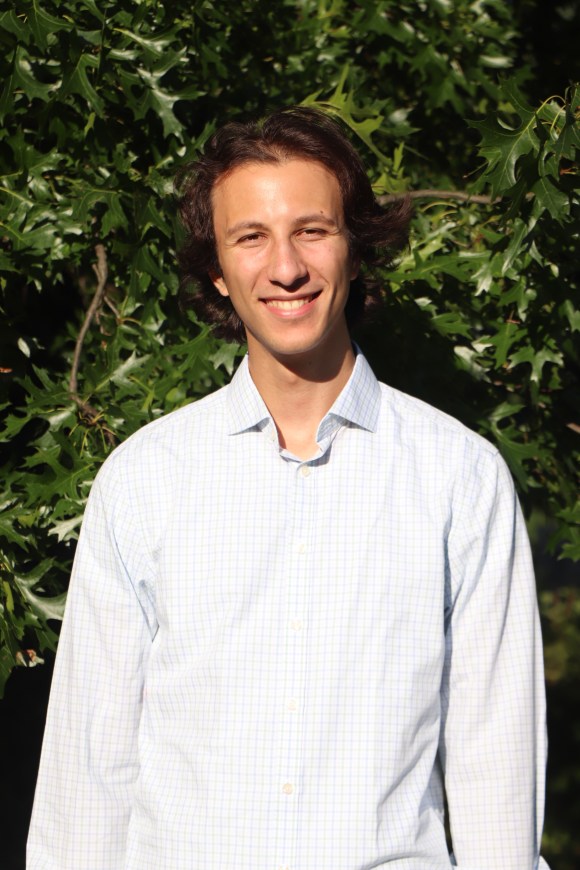
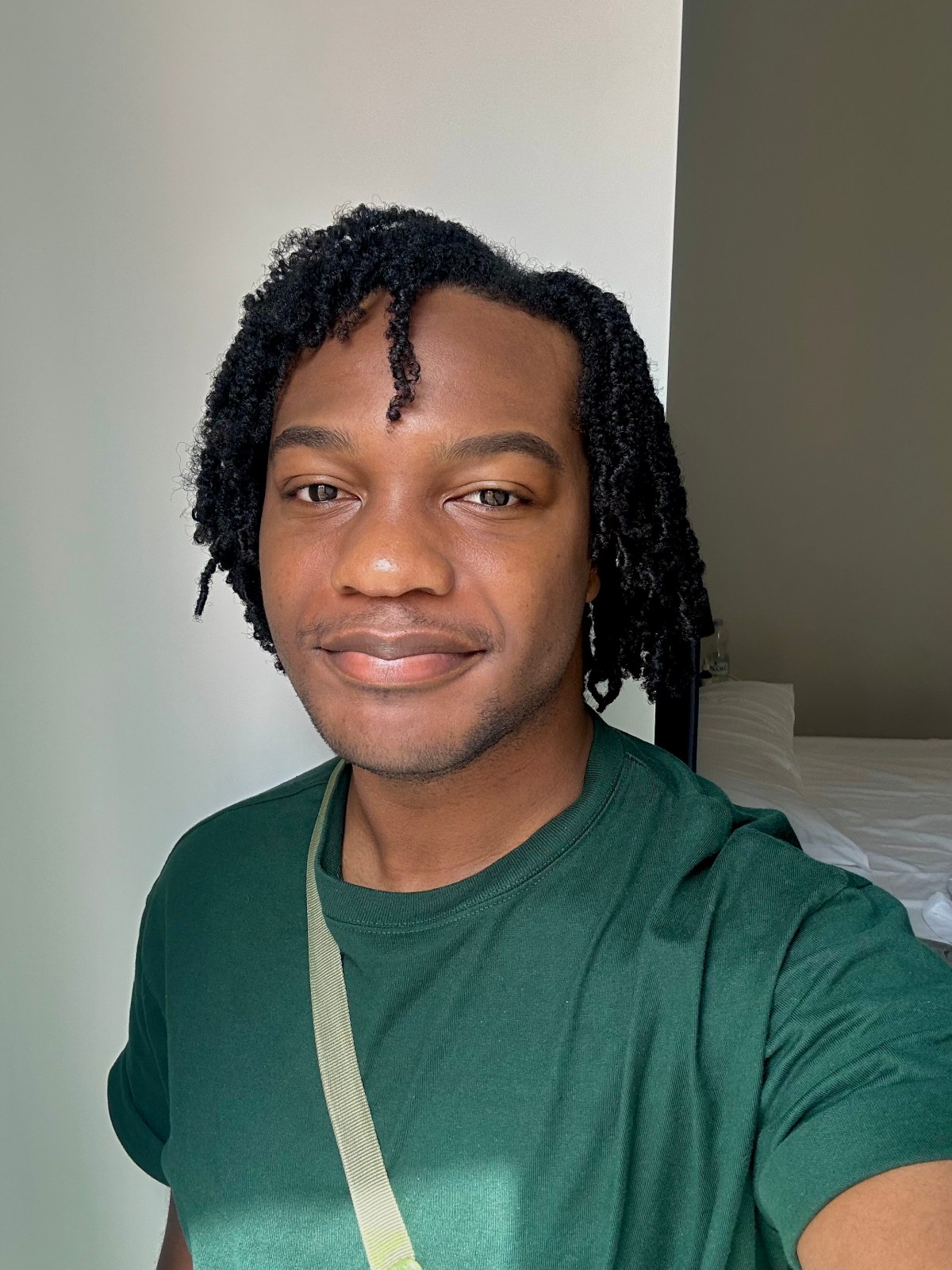
I am excited at the idea of creating positive change for millions of people over the course of my career (not something all types of engineers can say).
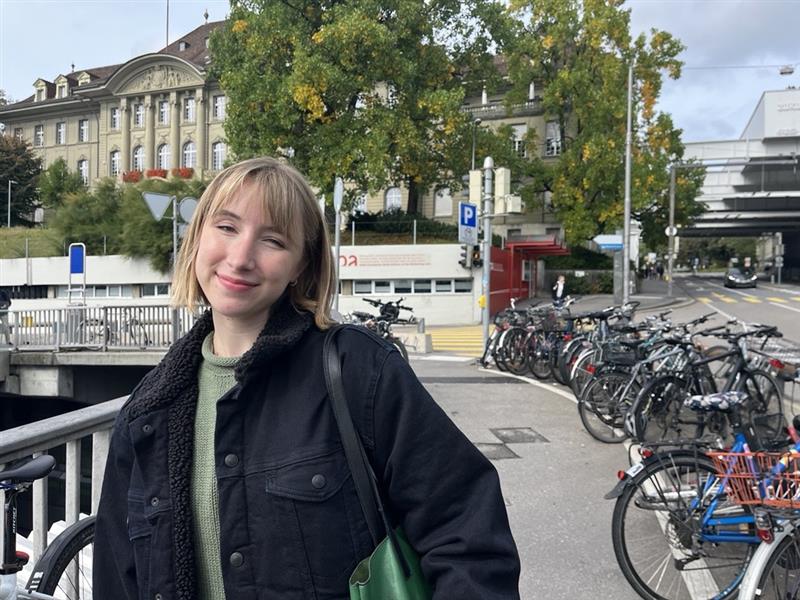
I am a Rail Engineer at STV’s Empire State Building office. Before joining STV, I worked at Arup on their Rail Engineering Team from June 2020 to April 2026. I have a background in Civil Engineering, and love working within the Rail discipline. I have had the opportunity to work on an array of projects; from technical engineering with MTA (resiliency efforts, wayside power improvements, and station renewals) to larger-scale capital planning and project coordination with the Northeast Corridor Commission. I am also passionate about urban planning, ped. and bike infrastructure, and how Transit Oriented Development (TODs) bring everything together to improve people’s lives.
Why transportation?
I enjoy working in transportation for the large-scale impact it has on people’s lives. Good (or bad) transportation has the ability to change individuals and wider communities in a huge way. For example taking one subway line to work versus two (and the nature of that transfer) can be the tipping point for someone choosing which neighborhood to live in; therefore what cafes they go to, and what people they meet. I am excited at the idea of creating positive change for millions of people over the course of my career (not something all types of engineers can say). In Rail/Transit specifically, I am happy to be working in a space that promotes sustainable transportation by keeping cars off the road.
What’s your favorite way to get around the YPT-NYC region?
Biking and the ferry
If you could snap your fingers and make one change to regional transportation, what would it be?
Bring light rail back to Brooklyn (specifically a line from Williamsburg to Prospect Park!)
What advice would you give to your younger self?
You don’t have to do things just because they “make the most sense”. Study abroad in college!
What are you working on currently that you’re most excited about?
I am hoping to get more involved in Rail Sustainability through coastal resiliency & rail work.
Do you have a favorite transportation book, blog, newsletter, podcast, or YouTube channel?
The Death and Life of Great American Cities by Jane Jacobs
What is your favorite transportation-related fun fact or joke?
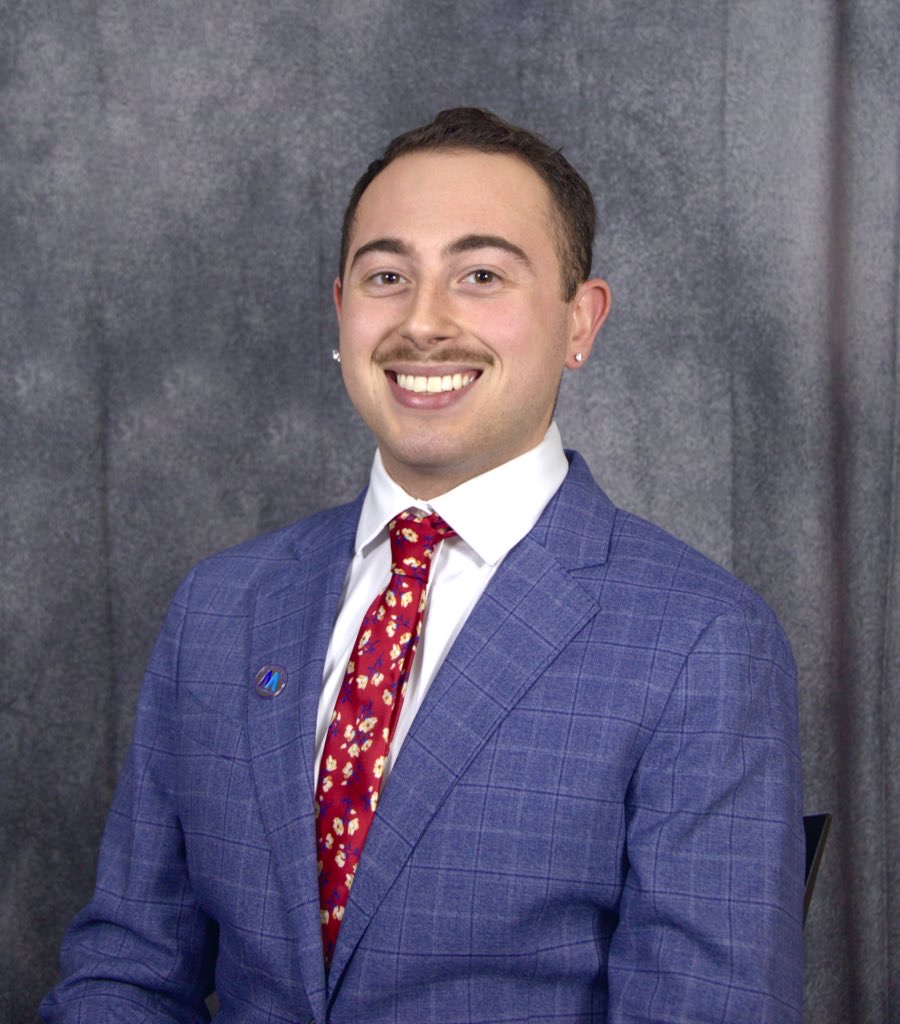
Brian Peck // Transportation Planner & Project Manager, Jacobs
For those who wish to find the soul of our cities, the topic of transportation is a great means to feel the heartbeat giving life to our urban spaces.
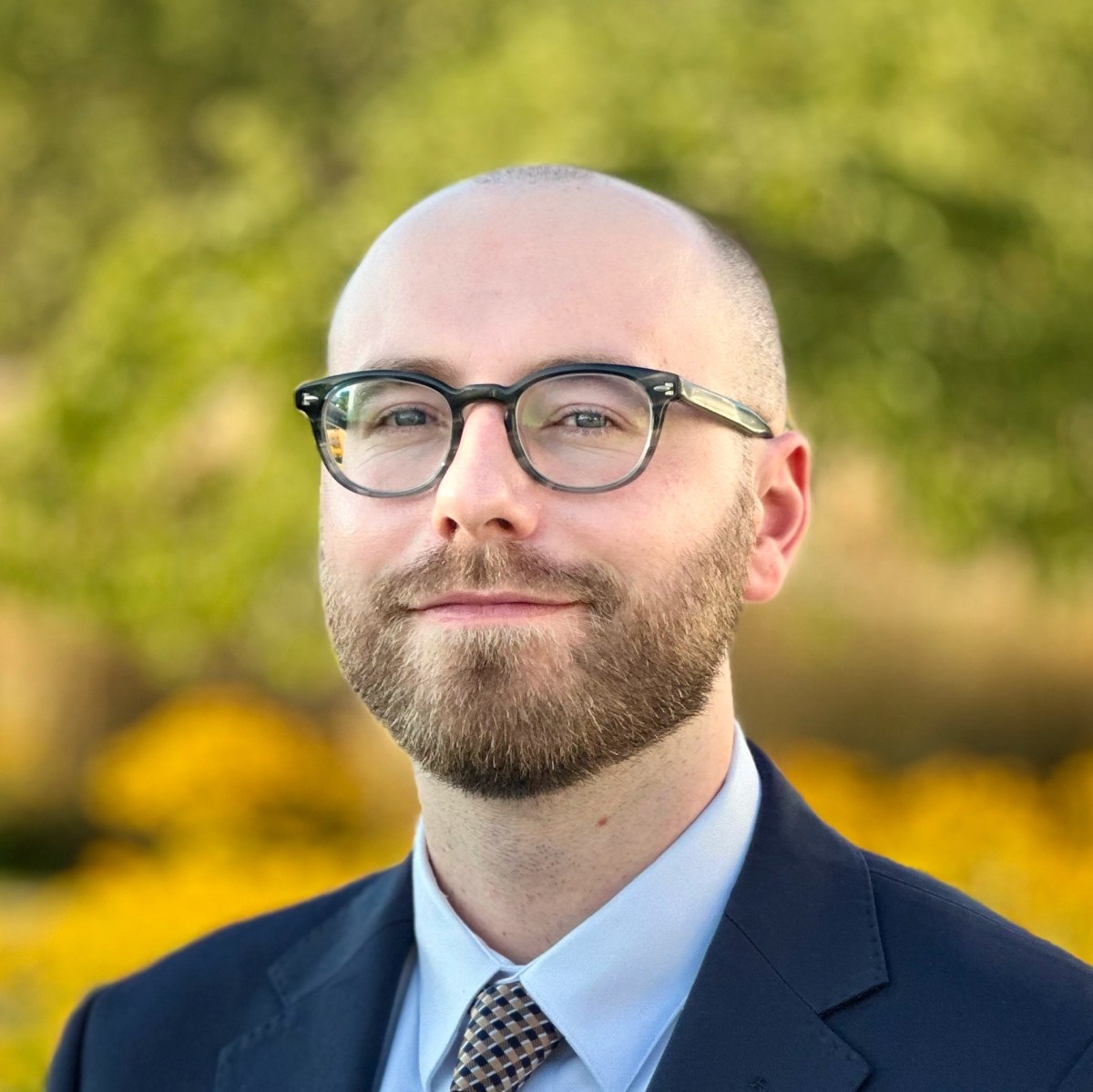
I am a transportation planner and a project manager at Jacobs. Currently, I’m a member of the Stakeholder Engagement group on the Interborough Express team, working to engage with Freight Railroads and the Buckeye Pipeline company to ensure IBX can be constructed and operated safely and seamlessly. In a past life, I worked on the California High-Speed Rail program, have written several Federal and State infrastructure funding grant applications, developed mobility solutions for the Los Angeles Olympics, and assisted in managing the delivery of one of New York’s first offshore wind programs off the coast of Long Island. I’m also pursuing my MBA at NYU, hoping to intersect a commercial and strategic education provided by the MBA with key functions of the transportation market, including forming high-performing teams and mobilizing said teams to work on major infrastructure programs for our clients at Jacobs. When I’m not at work, I like to run, hang out with friends, see the world, read, and send Instagram reels to friends!
Why transportation?
I am a transportation planner and a project manager at Jacobs. Currently, I’m a member of the Stakeholder Engagement group on the Interborough Express team, working to engage with Freight Railroads and the Buckeye Pipeline company to ensure IBX can be constructed and operated safely and seamlessly. In a past life, I worked on the California High-Speed Rail program, have written several Federal and State infrastructure funding grant applications, developed mobility solutions for the Los Angeles Olympics, and assisted in managing the delivery of one of New York’s first offshore wind programs off the coast of Long Island. I’m also pursuing my MBA at NYU, hoping to intersect a commercial and strategic education provided by the MBA with key functions of the transportation market, including forming high-performing teams and mobilizing said teams to work on major infrastructure programs for our clients at Jacobs. When I’m not at work, I like to run, hang out with friends, see the world, read, and send instagram reels to friends!
Why transportation?
Transportation is a key indicator for quality of life. Without free, responsible movement of people and goods through our cities and our economy, opportunities for communities become less available and less valuable. Having grown up in a suburb of Dallas, Texas, I’ve experienced firsthand how a lack of responsible urban and transportation policy can affect a community. The streets in my hometown are boring yet dangerous, stores were plentiful yet difficult to access, and many people struggled to connect to their neighbors due to the auto-centric design of my hometown suburb. It’s a fascinating topic and oftentimes overlooked because transportation is so often viewed by many as a simple utility. But, for those who wish to find the soul of our cities, the topic of transportation is a great means to feel the heartbeat giving life to our urban spaces, which fascinates me.
What’s your favorite way to get around the YPT-NYC region?
Subway! Followed by walking.
If you could snap your fingers and make one change to regional transportation, what would it be?
Standardized fare payment systems. I think we’re getting there as a region, but it’s an achievable near-term solution which will enhance the user experience for many riders, especially those who are visiting New York City.
What advice would you give to your younger self?
Be a proud train nerd… nobody cares when you grow up!
What are you working on currently that you’re most excited about?
I’m SO excited about the Interborough Express. It is truly one of the coolest projects I’ve ever worked on and is such a needed investment for New York City. I cannot wait to ride it someday.
Do you have a favorite transportation book, blog, newsletter, podcast, or YouTube channel?
If it’s not the YPT newsletter carefully crafted by Charlie Zhen complete with relatable hyperlinks, I usually gravitate to ‘ol reliable Streetsblog NYC.
Elaine Hsieh // E-Bike Charging Program Manager, NYC DOT
Working with nature and drawing inspiration from them, while coexisting with different ecosystems, is a difficult task but should be at the core of how we build long-term resilient cities.
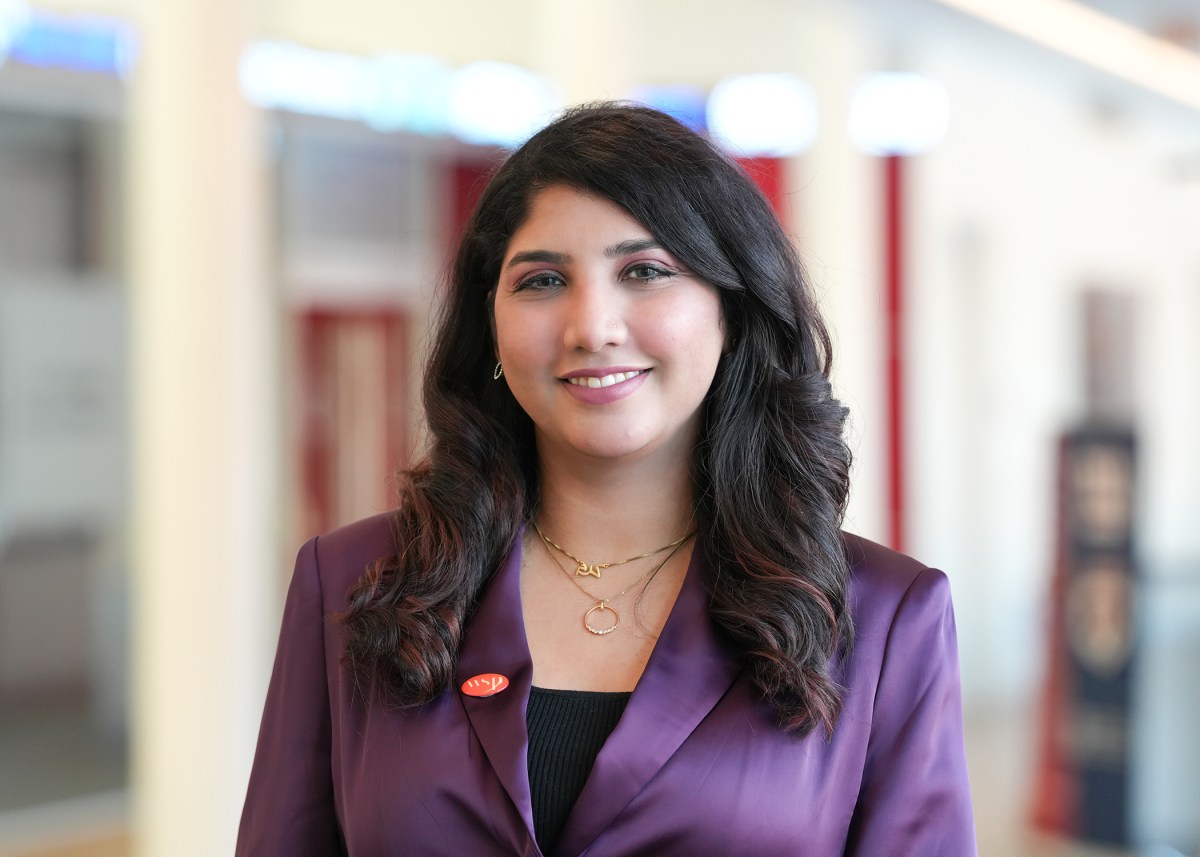
Elaine is an urban planner and advocate for accessible public transit and micromobility. She currently works as a Program Manager for E-Bike Charging at NYC DOT, where she oversees the deployment of e-bike battery swapping cabinets across the city to reduce indoor charging and the risk of battery fires. While her background includes working on electric vehicle buses, economic analysis, and environmental planning, she remains drawn to the inherently interdisciplinary field, acknowledging that everything is connected. When she’s not rambling about transportation, she loves crafting (usually crochet or knit) in Prospect Park, exploring different neighborhoods, and eating and cooking delicious foods. She holds a Master of Urban Planning from Columbia University and dual Bachelor’s degrees in Environmental Economics and City Planning from the University of California, Berkeley.
Why transportation?
I grew up taking BART in the California Bay Area and became enamored by the passing environments, including the beautiful and hilly San Francisco houses, while riding the Red line (I called it the Richmond line) through Oakland and then into SF, where my grandmother lived. I remember how I loved that feeling of being able to eat my burrito (yes, we ate on BART) sitting on the muted teal seats, tucked away in the corner, and just observed how this moving object took me across the bay. The blissful experiences were insert scratch track unfortunately stinted by the great number of times I sprinted to the platform at El Cerrito Del Norte Station just to miss my train and wait another 30 minutes until the next one came, and that sucked. I remember thinking, this is a really cool thing, but why are there so many issues with BART?! and the story begins…
What’s your favorite way to get around the YPT-NYC region?
For all the hate MTA gets, I do appreciate that it (most of the time) reliably gets me to the places I need to go every day! Shout out to all my MTA friends that are helping to do the hard (and greatly under appreciated) work.
If you could snap your fingers and make one change to regional transportation, what would it be?
Since I’m from California, it would be great to see the San Francisco to Los Angeles high-speed rail exist (and in use) at some point in my lifetime.
Who inspires you?
A cheeky response, but I’m inspired by nature and believe we have a lot to learn from animals and plants when it comes to building things that are resilient. We know how the aerodynamics of birds inspired airplanes and trains and how beavers inspired dams. Working with nature and drawing inspiration from them, while coexisting with different ecosystems, is a difficult task but should be at the core of how we build long-term resilience cities.
What advice would you give to your younger self?
If you’re thinking it, someone else is probably thinking it too! Trust your gut, but do your research too.
Also, pay attention to what’s actually happening during meetings. Yes, the content, but also the politics and the people dynamics. Urban planning and transportation is inherently and historically political. Knowing the history of your project, the neighborhoods you’re serving (and not serving), the stakeholders involved (or not involved), and the local and federal politics is not just useful but essential to project planning and implementation.
And, especially if you are a woman or a person of color, know that you will sometimes (or oftentimes) be either the only woman in the room or the only person of color in the room. The planning and transportation landscape is changing, but if you are interested I’m also in a group for WoC in transportation, so add me on Linkedin and we can connect!
What are you working on currently that you’re most excited about?
Now that I work in electric bikes and micromobility charging, I’m very excited to expand battery-swapping in the city! The other week I was doing outreach and speaking to some delivery workers who rode e-bikes and many shared how they were already familiar with the technology and that they’ve known about this concept for years. It’s happening and working around the world, and we’re late to the party!
Being part of the transportation industry allows me to contribute to infrastructure that people rely on every day while also helping advance the standards, tools, and practices used to deliver these programs more effectively.
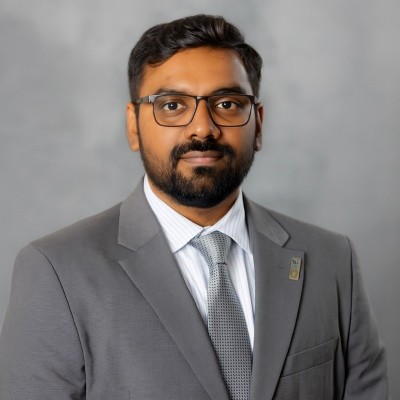
Vishwa Kumbharathi, PMP, PSP, CEP is a Senior Manager, Project Controls at Amtrak, where he supports project controls, estimating, and cost management for rail and infrastructure programs. With experience across transportation, heavy civil, energy, and public infrastructure projects, he brings a data-driven approach to project delivery, cost estimating, planning, risk management, and governance. Vishwa holds a master’s degree in Construction Engineering and Management from Clemson University and a bachelor’s degree in Civil Engineering from Osmania University. He began his career in India with Larsen & Toubro before moving to the United States, where he has continued to build his career in cost engineering and project controls. An active member of AACE International, Vishwa serves as Chair of the AACE International Education Board and Vice President of the AACE New Jersey Section. He is also a member of the Clemson Young Alumni Council and has been involved in university outreach, mentorship, and professional development initiatives to introduce students and early-career professionals to project controls careers. Vishwa has presented at industry conferences on topics including strategic cost management, AI in estimating, supply chain disruption impacts, and ontology-based cost databases for rail infrastructure. He was recognized as an AACE International Outstanding Rising Professional and as an ACEC New Jersey Emerging Leader. He is passionate about advancing transportation project delivery through better project controls practices, digital transformation, and stronger professional standards in cost engineering.
Why transportation?
Transportation has always appealed to me because it directly affects how people live, work, and connect with opportunity. Roads, bridges, rail, transit, and passenger rail systems are not just construction projects; they are public assets that support mobility, economic growth, safety, and quality of life.
My interest in transportation grew through my work on rail and infrastructure programs, where I saw how strong project controls can influence better decision-making, funding stewardship, and project delivery. Transportation projects are complex, high-impact, and often delivered in active public environments, which makes cost estimating, scheduling, risk management, and governance especially important.
For me, transportation is the right field because it combines technical complexity with public purpose. I enjoy working on projects where the outcome is visible, long-lasting, and meaningful to communities. Being part of the transportation industry allows me to contribute to infrastructure that people rely on every day while also helping advance the standards, tools, and practices used to deliver these programs more effectively.
What’s your favorite way to get around the YPT-NYC region?
The Subway.
If you could snap your fingers and make one change to regional transportation, what would it be?
I would make regional transportation more seamless by improving last-mile connections between rail, transit, and local mobility options. Better last-mile connectivity would make the system easier to use, more reliable, and more accessible for everyday riders.
What advice would you give to your younger self?
Stay curious, be patient with your journey, and do not be afraid to ask questions. Every person who comes into your life will either teach you something or learn from you.
Do you have a favorite transportation book, blog, newsletter, podcast, or YouTube channel?
Railway Age is one of my go-to industry publications because it provides useful insights on rail trends, infrastructure developments, and issues shaping the transportation sector.
What is your favorite transportation-related fun fact or joke?
The NYCT subway has more stations than any other subway system in the world.
I get inspired by everyone who helped plan, develop, or construct the city as we see it today. If they can do it, so can we!
Hi everyone! My name is Ameen DaCosta, and I’m a Transportation Engineer at STV in the Transportation North Sector. Here I have the opportunity to do some of the civil and design work for many transit, roadway, and other transportation related projects across the New York City area. I recently graduated from UC Berkeley where I received a dual-degree MS in Transportation Engineering and MCP in City and Regional Planning. Before that, I received my BS in Civil Engineering from Columbia University. For my City Planning degree, I wrote my capstone on Customer and Community Engagement by Public Transportation agencies. This was influenced by the Guinness World Record my friends and I set for “Fastest time to visit every San Francisco Metro Station” (BART), with the subsequent media attention leading me to research more ways in which transit agencies can increase engagement with the community around them. In addition, I enjoy watching and playing soccer (let’s go Manchester United!), playing video games, exploring new places both within New York City and elsewhere, and spending time with my family and friends.
Why transportation?
As a born and raised New Yorker, I grew up using the city’s transportation infrastructure. When I was younger, I used to draw maps of imaginary places and play with wooden trains, wooden blocks, and LEGOS. As I got older, the subway gave me my first sense of independence when my parents allowed my brother and I to commute to school on our own, and this quickly expanded to using it to get all around the city. I even went (and continue to go) on a few “Subway Adventures” with my family and friends, allowing me to explore new places around the city that I would have never been to otherwise. I also love exploring public transportation systems around the world, noting their similarities and differences. I was always amazed at how these networks could move millions of people around every day so seamlessly, and learned as much as I could about it. I always knew I wanted to have a career in the field, as it enables mobility and interconnectivity between people and places, and is especially important in reducing congestion and emissions as cities continue to grow.
What’s your favorite way to get around the YPT-NYC region?
The Subway! The 1 and C lines will always hold a special place in my heart 🙂
If you could snap your fingers and make one change to regional transportation, what would it be?
If I had to choose one, I would love for there to be a cross-harbor rail tunnel for freight trains, connecting Brooklyn and Queens to New Jersey. This would allow goods to be delivered into New York City directly by rail, removing thousands of trucks from the roads, which would reduce congestion and greenhouse gas emissions.
Who inspires you?
This isn’t a specific person, but rather I get inspired by everyone who helped plan, develop, or construct the city as we see it today. If they can do it, so can we!
What advice would you give to your younger self?
If you have a passion in something, learn as much as you can about it. There’s a good chance you’ll be able to have your career be based on it!
What are you working on currently that you’re most excited about?
As I’ve only just started my full-time job a couple of months ago, I haven’t been assigned to any larger projects yet. However, I previously had the opportunity to contribute to both the Second Avenue Subway and Gateway at the firm as an intern, and am excited to work on large transformative transportation infrastructure projects such as those!
Do you have a favorite transportation book, blog, newsletter, podcast, or YouTube channel?
My favorite Transportation Youtuber is Miles in Transit. I’ve been watching his content for many years now, and I love seeing all of the crazy transit adventures that he gets up to with his friends, while also showcasing the beauty (and pitfalls) of transit all around the world—he’s inspired me to continue going on adventures just because I can. I had the pleasure of meeting him last year in San Francisco (and even appeared in a couple of videos!), and it was great to discuss the future of public transportation with someone so passionate about the field.
What is your favorite transportation-related fun fact or joke?
Many of you might already know this, but the New York City Subway system carries more than 10 times the number of people as the next largest system in the United States. It really puts into perspective how massive the system really is!
Jared Aisenberg // Associate Staff Analyst / BMT & IND Service Forecaster at MTA New York City Transit
Growing up and riding the subway with my father, I always believed it was a world that held so many cool secrets and even some of life’s answers.
Jared is a rail operations planner for construction-related service changes on the New York City Subway. He is responsible for forecasting and deciding how the lettered line trains will operate to allow for major upgrades to the subway system. This includes—but is not limited to—signal modernization, track replacement, and elevator installments. A proud two-time Rutgers alumnus, Jared majored–then mastered–in City and Regional Planning. A fifth generation born and partly raised New Yorker, Jared finds no other place in the world more home than right here in the Five Boroughs. However, this does not stop him from traveling the world with his boyfriend to experience other global cities (and sometimes vlogging it along the way). With social media, Jared has garnered a following of over 70,000 on TikTok and Instagram as TransitTalks discussing history and fun facts about transit and its infrastructure primarily in the New York metro area. When above ground, Jared enjoys going out on the weekends to support local drag, taking a bike ride to a neighborhood to indulge in local ethnic foods, and in the summer relaxing by the seaside right off the Rockaway Line.
Why transportation?
I’ve always been fascinated by the movement of people, especially on rapid transit. Growing up and riding the subway with my father, I always believed it was a world that held so many cool secrets and even some of life’s answers. As I grew up, I knew that my love for the urban realm was embedded in public transit, too. As a result, I found urban planning in college and went forward with the dream to work in transportation.
What’s your favorite way to get around the YPT-NYC region?
The New York City Subway, no doubt about it!
If you could snap your fingers and make one change to regional transportation, what would it be?
I think I would make all two track trunk lines on the subway four tracks. Canarsie and Crosstown my heart is with you.
Who inspires you?
It might sound backwards or even cliche, but Robert Moses inspires me everyday. We are surrounded by his projects, big and small, and it is my daily reminder as a transportation planner in this city that the chaos he has caused for generations can be, and will continue to be, fixed.
What advice would you give to your younger self?
I know all the knowledge you hold in your head seems bizarre, or something to keep a secret because no one around you understands, but hold yourself high and keep soaking in the knowledge. Soon people are going to listen to you ramble on about it as friends, in romance, with fellow professionals, and even as social media fans.
What are you working on currently that you’re most excited about?
Currently at work I am excited to be near the end of the second phase of the Queens Blvd CBTC signal modernization and that Broadway Jct is on its way to get elevators. With social media, I just did a collab with the 60 Second Subway Station Score duo where we just ranked 86 St station on the R in Bay Ridge. Go check it out!
Do you have a favorite transportation book, blog, newsletter, podcast, or YouTube channel?
“The City Beneath Us: Building the New York City Subway” [published by the New York City Transit Museum]
What is your favorite transportation-related fun fact or joke?
Fun fact: any subway station in The Bronx that includes the “East” suffix (East 180 St on the 2/5, East 149 St on the 6, etc.) were so named because it was / still is physically east of another station with the same street name, even though all numbered streets east of Jerome Av include the “East” suffix. To my point, East 180 St on the 2/5 is east of the former 180 St-Bronx Park terminal, and East 149 St on the 6 is east of the 149 St-Grand Concourse 2/4/5 station.
Karam Choudhary // Assistant Traffic Engineer at WSP Global
Every challenge taught me something valuable: resilience, adaptability, and the importance of staying curious.
Karam is a Traffic Engineer at WSP USA, where she applies her skills and knowledge in intelligent transportation systems, project planning, and civil engineering to various projects involving signing and striping, traffic and pavement studies, modeling and signal design for clients such as NJDOT, NJTA, and Port Authority. She has a Master of Science in Computer Science/Information Systems from Rider University. She also has a Masters in Construction Engineering Management and Bachelors in Civil Engineering from NED University in Pakistan. She is passionate about integrating information technology and artificial intelligence in the construction transportation industry and project management, which led her to pursue a PhD in Artificial Intelligence. Her research and thesis is based on “Artificial Intelligence for Intelligent Transportation Systems: Modeling, Optimization, and Real-Time Decision Making in Urban Mobility.”
Why transportation?
I chose transportation as a career because it’s the backbone of society, it connects people, communities, economies, and opportunities. Growing up in Karachi, which is Pakistan’s largest city and economic hub, is often characterized by severe traffic congestion, unregulated urban sprawl, and inadequate public transportation infrastructure. I witnessed firsthand how inefficient and chaotic traffic systems could limit access to education, healthcare, and jobs. That experience planted the seed for my interest in civil and traffic engineering. Over time, I realized that transportation is more than just roads and vehicles; it’s about movement, equity, safety, and sustainability. A single improvement in a transportation system can reduce commute times, lower emissions, save lives, and even boost a region’s economy. That kind of impact inspired me to dedicate my career to this field.
What’s your favorite way to get around the YPT-NYC region?
Honestly, my favorite way to get around the NYC region is a mix of the subway and Citi Bike. The subway is incredibly efficient when you’re trying to get across boroughs; nothing beats hopping on an express train and skipping traffic altogether. But for shorter trips or when the weather’s nice, I love using a Citi Bike. There’s something energizing about riding through the city streets, especially along the waterfront or down a protected bike lane. It gives you a totally different perspective of the city, more exciting, more connected.
If you could snap your fingers and make one change to regional transportation, what would it be?
I would create a fully integrated, AI-powered transit system that’s seamless, affordable, and equitable across all modes — trains, buses, bikes, ferries, and ride-shares.
Imagine opening a single app that not only plans your trip across all systems in real time, but also adjusts for delays, finds you the quickest or greenest route, and lets you pay with just one tap no matter if you’re switching from a subway to a ferry or hopping on a bike. And behind the scenes, AI would optimize traffic signals, reroute buses based on congestion, and ensure underserved neighborhoods get the same quality of service as Midtown Manhattan.
Who inspires you?
One person who truly inspires me is Dr. Mir Shabber Ali, a data scientist and transportation systems researcher who’s been at the forefront of integrating big data and intelligent systems into real-world traffic management. What inspires me about his is how he bridges the gap between engineering and actionable insight transforming raw sensor data into tools that improve people’s daily commutes. His worked on projects that monitor freeway performance, enhance transit reliability, and create smarter, more resilient transportation systems. His work reminds me that technology, when applied thoughtfully, can directly impact public safety, sustainability, and equity. More broadly, I’m inspired by all professionals engineers, planners, data scientists who take on complex urban challenges and use AI and innovation to make our cities more humane, efficient, and just.
What advice would you give to your younger self?
“Trust your journey even if the detours are part of the destination.”
There were times I doubted my path, especially when things didn’t go as planned whether it was navigating through academic pressure, switching focus areas, or starting over in a new country. But every challenge taught me something valuable: resilience, adaptability, and the importance of staying curious.
I’d also tell myself to start exploring emerging technologies earlier, especially how AI and data can shape fields like transportation. And most importantly: Speak up, ask questions, and never underestimate the power of showing up even when you feel underqualified. Growth doesn’t come from knowing it all; it comes from being willing to learn.
What are you working on currently that you’re most excited about?
Right now, I’m most excited about my research and work at the intersection of Artificial Intelligence and transportation engineering. I’m currently exploring how AI-driven tools like computer vision, deep learning, and predictive modeling can be applied to improve traffic flow, enhance safety, and optimize infrastructure planning in congested urban areas like New York and beyond.
One project I’m especially passionate about involves using real-time data from sensors, LiDar, VMX 2HA Mobile Scanning System and CCTV to predict congestion patterns and inform adaptive signal control systems. The goal is to not only reduce travel time, but also design smarter, more sustainable transportation networks that are responsive to real-world conditions.
Do you have a favorite transportation book, blog, newsletter, podcast, or YouTube channel?
“The High Cost of Free Parking” by Donald Shoup
CityLab (by Bloomberg)
YouTube Channel Not Just Bikes
Artificial Intelligence in Transportation: Information Technology Applications in Surface Transportation by National Research Council / TRB
Brandon Martin // Assistant Engineer – Track Geometry & Analysis at the Long Island Rail Road
I work in transportation because I have always been fascinated by travel and the different and unique ways we all move through the world.
Brandon is a highly skilled Track Geometry Engineer at the Long Island Rail Road, performing daily tasks such as clearances, track geometry analysis, and new technology initiatives at the Rail Road. Stepping into his second year on the board, Brandon is thrilled to up the Social Media game for YPT-NYC like never before. He finds joy in the most exciting things life can offer, such as trains and transit systems all around the world. Calling New York home for the last three years, Brandon is excited to continue discovering more about this amazing city and exploring where not even the bravest would go. You can usually find him riding the subway, riding the Metro-North upstate, riding the LIRR to Flushing, or riding a train in a different country.
Why transportation?
I work in transportation because I have always been fascinated by travel and the different and unique ways we all move through the world. From a young age, I gravitated toward walkable communities where daily life did not revolve around a car because they were so different from my usual surroundings. I grew up in suburban Connecticut where cars were a necessity for any sort of independence or freedom. I always felt this attachment to human-scaled cities, towns, and places because the walkability felt so fundamental to how I experienced them.
What’s your favorite way to get around the YPT-NYC region?
Subway 100%! “I love the train” – Rolling Ray
If you could snap your fingers and make one change to regional transportation, what would it be?
Immediate full funding of all non-roadway transportation projects. We desperately need interconnectivity between communities, and we need experts that have the knowledge to achieve such a vision. Europe and Asia have been building HSR and metro systems for ages, and the US needs to follow in their footsteps to start playing catchup. Regionally, the IND Second System should be completed to fully connect the NY region.
Who inspires you?
Cliché, but I inspire myself to continue to strive for more. I can do better and will do better because I choose to be better everyday.
What advice would you give to your younger self?
I would tell myself to keep swinging from broken branches at Tri-Rail stations. You will eventually be able to work with trains like you dreamed so long ago, just give it 20 years!
What are you working on currently that you’re most excited about?
I am currently working on the engineering side of procurement for the LIRR’s new Track Geometry Vehicle. I am highly involved in all aspects of Track Geometry and seeing as this project is my baby, I want to ensure its 100% success. Being a meticulous individual, I double and triple check every technical item ensuring that the Rail Road is delivered a quality product.
Do you have a favorite transportation book, blog, newsletter, podcast, or YouTube channel?
I love watching POV videos of trains on YouTube. Literally any well filmed POV, I’m all over that! Welcome to an Experience (WTAE) is my go to.
What is your favorite transportation-related fun fact or joke?
A helix curve is one of the most difficult to attain. Such a cool video to watch though, as its purpose allows trains to climb what would otherwise be a very steep grade.
Karl Reinhardt // Associate Transportation Planner, Cambridge Systematics
Decisions about streets, highways, and transit systems shape air quality, safety, access to jobs, land use patterns, and the efficiency of industry. Few fields have such wide-ranging and tangible impacts on people’s daily lives.
Why transportation?
I work in transportation because I have always been fascinated by travel and the different and unique ways we all move through the world. From a young age, I gravitated toward walkable communities where daily life did not revolve around a car because they were so different from my usual surroundings. I grew up in suburban Connecticut where cars were a necessity for any sort of independence or freedom. I always felt this attachment to human-scaled cities, towns, and places because the walkability felt so fundamental to how I experienced them.
Over time, my curiosity deepened as I realized how central transportation is to nearly every aspect of society. Transportation sits at the intersection of public health, environmental sustainability, economic opportunity, and goods movement. Decisions about streets, highways, and transit systems shape air quality, safety, access to jobs, land use patterns, and the efficiency of industry. Few fields have such wide-ranging and tangible impacts on people’s daily lives.
I am also drawn to transportation because it is a derived demand: we rarely travel for the sake of transportation itself, but to reach work, school, healthcare, social connections, and other opportunities. That framing forces a more human-centered perspective—transportation is not the goal, but a means to living a full and connected life. Understanding and improving that system, while recognizing its ripple effects across communities and the environment, is what continues to motivate my work in the field.
And, of course, for those of us who will happily get on almost any train, the joy of movement never quite disappears either.
What’s your favorite way to get around the YPT-NYC region?
As a Jersey City resident, I have to say PATH, but I also love bikeshare so I must mention CitiBike. And nothing is more glorious than a ride on a ferry in the summer.
If you could snap your fingers and make one change to regional transportation, what would it be?
Just one change is really hard and while there is so much to be said about regional transit connectivity and governance or developing more sustainable transit funding mechanisms, I will mention the importance of updating U.S. fuel economy standards to disincentivize the production of larger passenger vehicles. Light-duty passenger vehicles in the U.S. have become increasingly large on average over the past several decades because larger light-duty vehicles like trucks and SUVs have less stringent fuel economy targets than sedans or station wagons. This has made it easier and cheaper for manufacturers to comply with regulations if more of their fleet consists of bigger SUVs and trucks that have these less intensive standards. While this is a national issue, incentivizing the production of smaller and more fuel-efficient vehicles will have local impacts for the New York region.
Who inspires you?
With it being the start of the Mamdani Mayoral Administration, it’s impossible to not be inspired by his successful mayoral campaign, which centered on affordability and transit. Mayor Mamdani was even sworn in as mayor inside the now unused City Hall subway station, symbolizing his commitment to transit riders. I have also been inspired by leaders in other cities who have made efforts to support public transit. Mayor Wu of Boston, who similarly advocates for affordability and improving public transit, comes to mind as another city leader that has inspired me as a transportation professional. I hope we continue to see many more local and state policymakers that support affordable, sustainable, and safe transportation lead more cities and states.
What advice would you give to your younger self?
I would tell myself to lean into my nerdy interests like city planning, infrastructure finance, and environmental policy because they can actually be the foundations for a great career 🙂
What are you working on currently that you’re most excited about?
As a sustainable transportation planning and policy professional, I am looking forward to continuing my work of supporting cities, MPOs, and states in determining how their various transit, electrification, bicycle and pedestrian, and many other projects are supporting their climate change mitigation goals. While the transition to zero-emission vehicles is a critical strategy for reducing greenhouse gas emissions in the short-term from the transportation sector, I get excited when transportation agencies view their work supporting public transit also as a critical climate change mitigation strategy. And increasing funding towards transit to expand service, improve reliability, or increase frequency has multiple layers of benefits that go beyond carbon reduction.
Do you have a favorite transportation book, blog, newsletter, podcast, or YouTube channel?
I love the Youtube Channel @LifeWhereImFrom which is about various things in Japan and there is often discussion about transportation, land use, and city planning in Japan.
I also love @RMTransit on YouTube as well for their thorough description and explanations of transit systems all over the world.
What is your favorite transportation-related fun fact or joke?
Grand Central Terminal has 44 platforms, more than any other train station in the world!
Gal Kramer // Transit Planning Principal, Via (and outgoing chair of YPT-NYC)
I’m a transit planner on the Via Strategies consulting team at Via, where I partner with public agencies to design and implement demand-response and multimodal transit services. Over the past five years, I’ve focused on helping small cities and rural communities improve mobility through innovative and equitable transportation solutions.
In addition to my transit planning work at Via, I’ve been on the YPT-NYC board for the past three years, most recently as the chair. I’m passionate about building community within the transportation field and supporting other emerging professionals. Originally from the Boston area, I moved to New York after finishing my Master’s in Urban Planning at the Harvard Graduate School of Design.
YPT-NYC has been one of the best ways I’ve met people since moving to the city. It’s a genuinely welcoming community of young, curious, and passionate transportation folks who care about making our cities better.
Why transportation?
My interest in transportation grew out of sitting in Boston traffic and realizing that our cities could be designed to work better for everyone. I was fortunate to travel to many cities growing up, and those experiences inspired me to help improve the places where I live and the communities I work with. I am especially drawn to how mobility, climate change, and equity intersect, and I love the challenge of helping communities, especially smaller ones, build transit options that cut car dependency and expand opportunity. Transportation is connected to so many other issues, including access to economic opportunity, healthcare, and the creation of strong communities, and that broader impact is what keeps me excited about my work.
What was your favorite YPT-NYC event of 2025?
When Martin, YPT-NYC’s Deputy Chair, suggested we do a summer tour series after digging up some pre-COVID spreadsheets, I said, “Sure, why not? Sounds fun, let’s aim for 5-6 tours”. I definitely did not expect us to end up with 19 tours! These were my favorite events of the year, and I’m so proud of all the hard work our board put into making these happen.
I especially loved the walking tours. The QueensLink tour was a favorite: exploring neighborhoods I rarely get to visit and imagining what a better transit future could look like. And as a big history nerd, visiting both the TBTA Archives and the NYC Public Design Commission Archives was a total delight.
Why should someone join YPT-NYC?
YPT-NYC has been one of the best ways I’ve met people since moving to the city. It’s a genuinely welcoming community of young, curious, and passionate transportation folks who care about making our cities better. I especially love hearing what others are working on. Since my projects aren’t NYC-based, it’s been such a fun way to learn what’s happening across the region and stay connected to the local transportation world. This year we ended up with more than 50 events on the calendar, which made it such a lively and fun year to be involved.
I’ve loved helping plan events over the past three years and being part of building such a vibrant YPT-NYC community. I’m excited to see (and attend!) all the great events coming up next year.
What’s your favorite way to get around the YPT-NYC region?
Walking! It’s my favorite way to explore a neighborhood and really get to know an area. But if I actually need to get somewhere on time, it’s definitely the subway. The Q is my go-to train and honestly my hero, if only it came a little more often.
If you could snap your fingers and make one change to regional transportation, what would it be?
In addition to making the Q run a bit more often, I’d love to see much better transit connections to our airports. I travel a lot and would be very happy to stop spending half my trip just trying to get to the airports by public transit. I’d also love truly fast and reliable regional rail. We’ve made some progress, but imagine being able to commute to Boston or DC, or heading to Chicago for the weekend, all without getting on a plane, that would be incredible.