Categories
Member Profiles

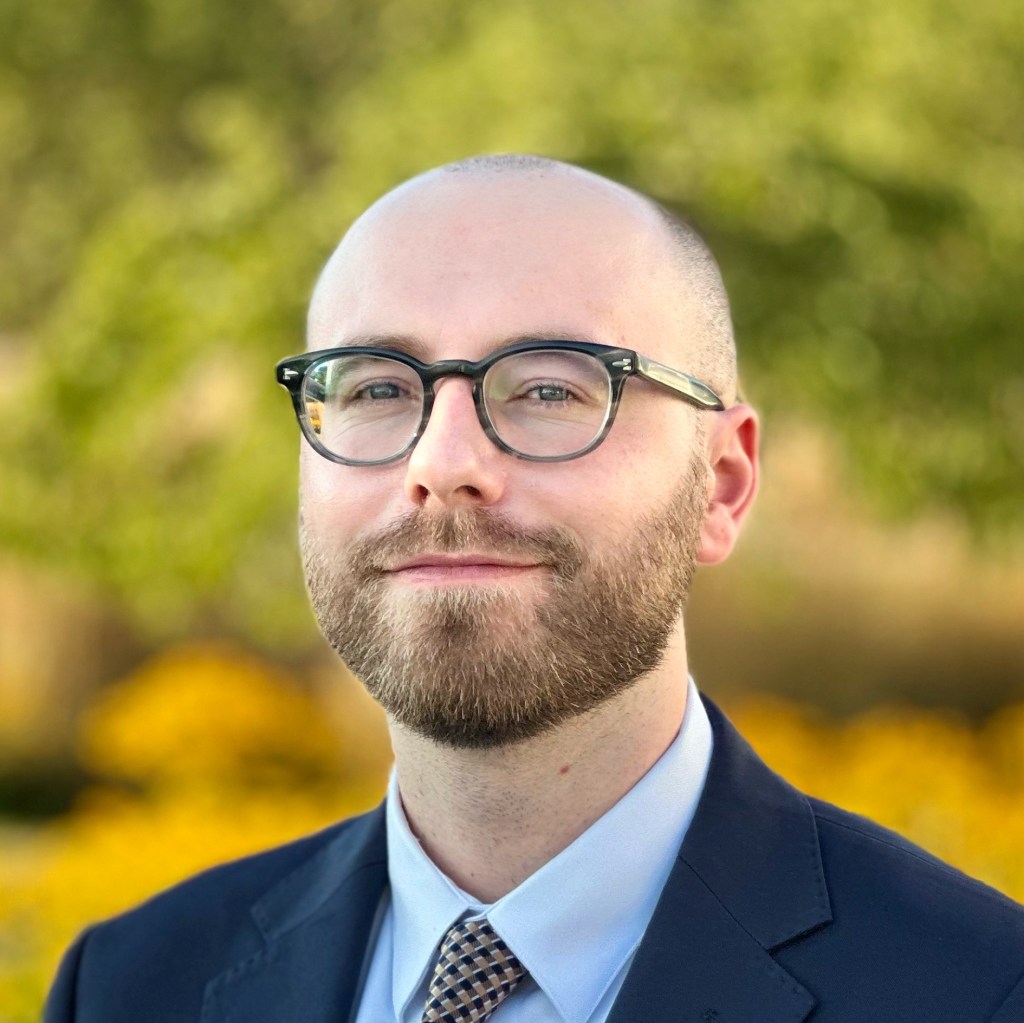
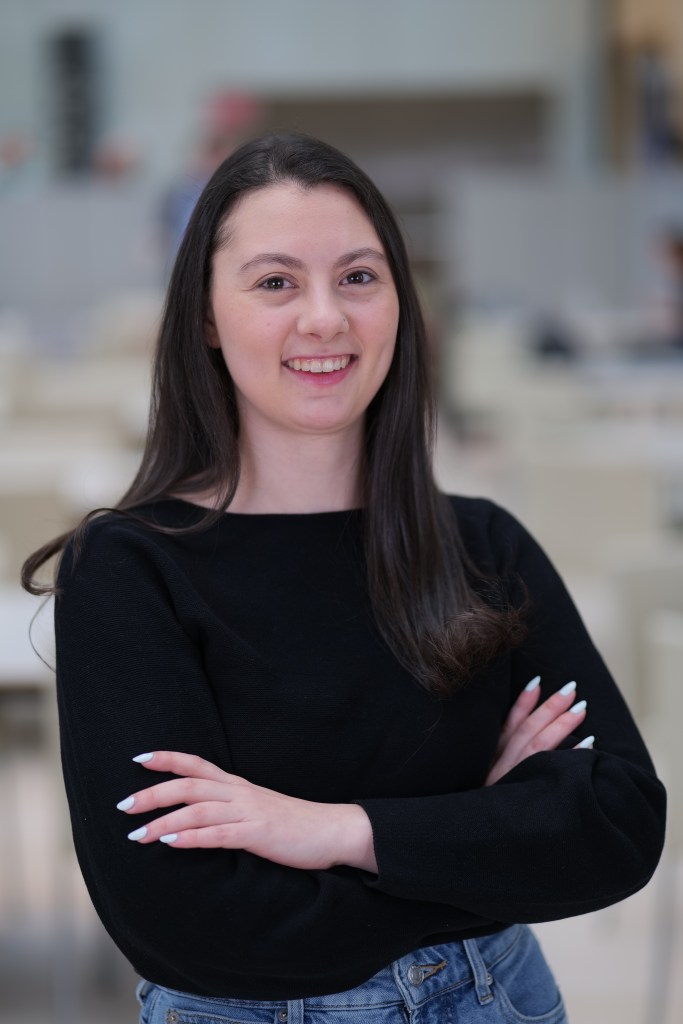
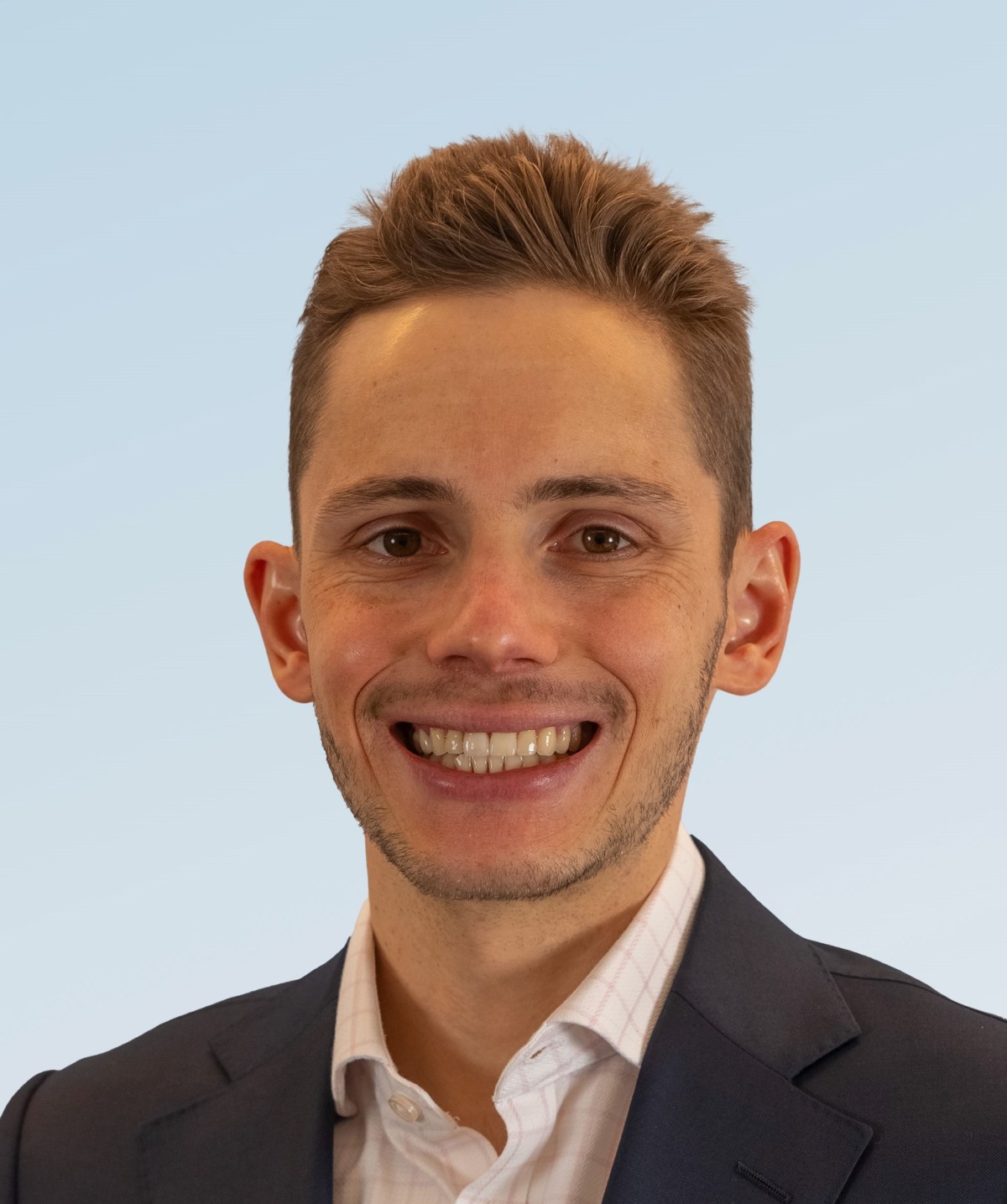
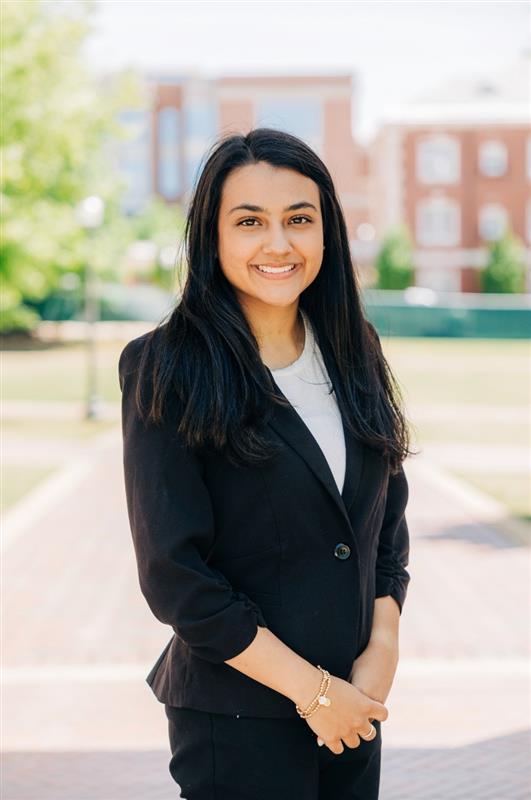
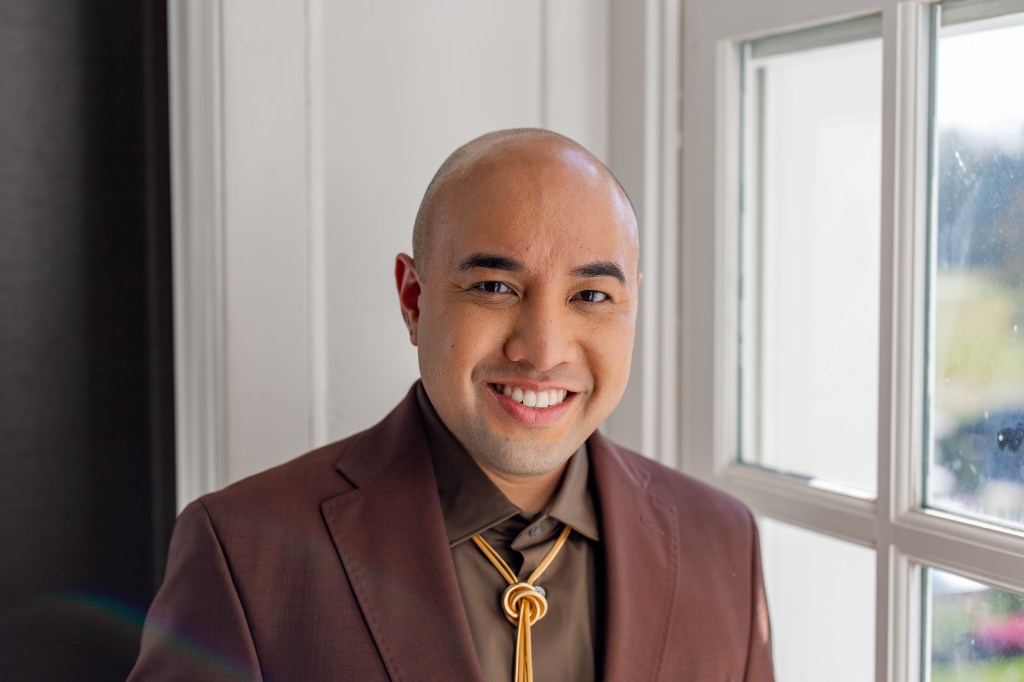
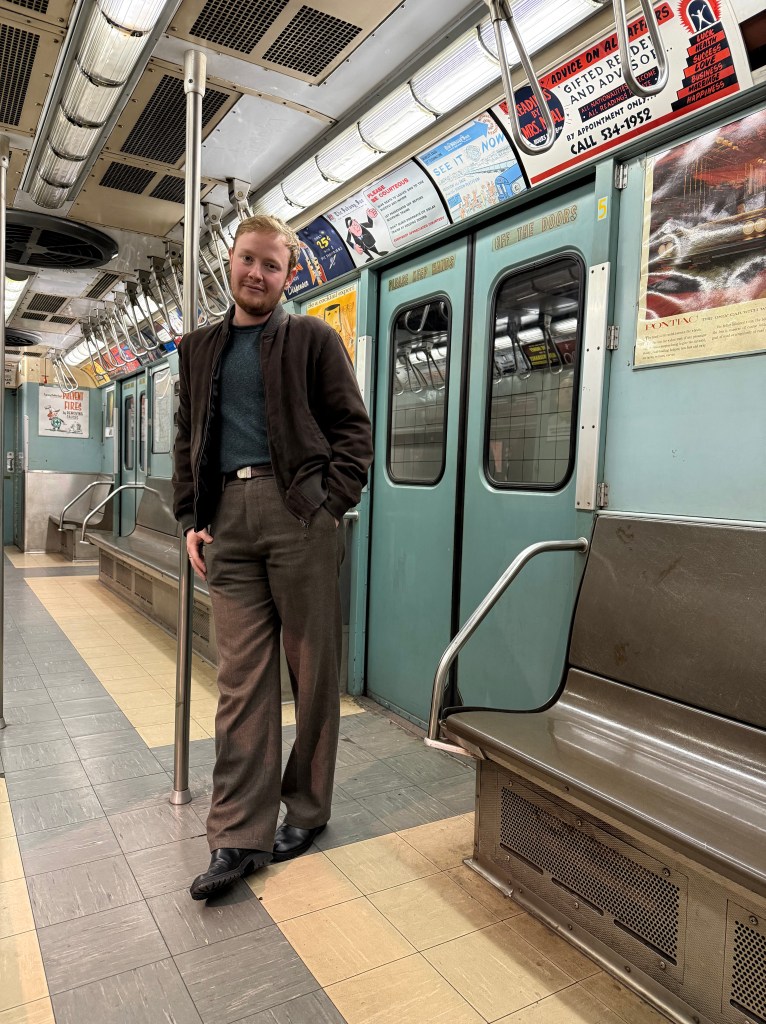
February Member Profile: Brandon Martin

Brandon Martin // Assistant Engineer – Track Geometry & Analysis at the Long Island Rail Road

Brandon is a highly skilled Track Geometry Engineer at the Long Island Rail Road, performing daily tasks such as clearances, track geometry analysis, and new technology initiatives at the Rail Road. Stepping into his second year on the board, Brandon is thrilled to up the Social Media game for YPT-NYC like never before. He finds joy in the most exciting things life can offer, such as trains and transit systems all around the world. Calling New York home for the last three years, Brandon is excited to continue discovering more about this amazing city and exploring where not even the bravest would go. You can usually find him riding the subway, riding the Metro-North upstate, riding the LIRR to Flushing, or riding a train in a different country.

I work in transportation because I have always been fascinated by travel and the different and unique ways we all move through the world. From a young age, I gravitated toward walkable communities where daily life did not revolve around a car because they were so different from my usual surroundings. I grew up in suburban Connecticut where cars were a necessity for any sort of independence or freedom. I always felt this attachment to human-scaled cities, towns, and places because the walkability felt so fundamental to how I experienced them.

Subway 100%! “I love the train” – Rolling Ray

Immediate full funding of all non-roadway transportation projects. We desperately need interconnectivity between communities, and we need experts that have the knowledge to achieve such a vision. Europe and Asia have been building HSR and metro systems for ages, and the US needs to follow in their footsteps to start playing catchup. Regionally, the IND Second System should be completed to fully connect the NY region.

Cliché, but I inspire myself to continue to strive for more. I can do better and will do better because I choose to be better everyday.

I would tell myself to keep swinging from broken branches at Tri-Rail stations. You will eventually be able to work with trains like you dreamed so long ago, just give it 20 years!

I am currently working on the engineering side of procurement for the LIRR’s new Track Geometry Vehicle. I am highly involved in all aspects of Track Geometry and seeing as this project is my baby, I want to ensure its 100% success. Being a meticulous individual, I double and triple check every technical item ensuring that the Rail Road is delivered a quality product.

I love watching POV videos of trains on YouTube. Literally any well filmed POV, I’m all over that! Welcome to an Experience (WTAE) is my go to.

A helix curve is one of the most difficult to attain. Such a cool video to watch though, as its purpose allows trains to climb what would otherwise be a very steep grade.

Categories
Member Profiles

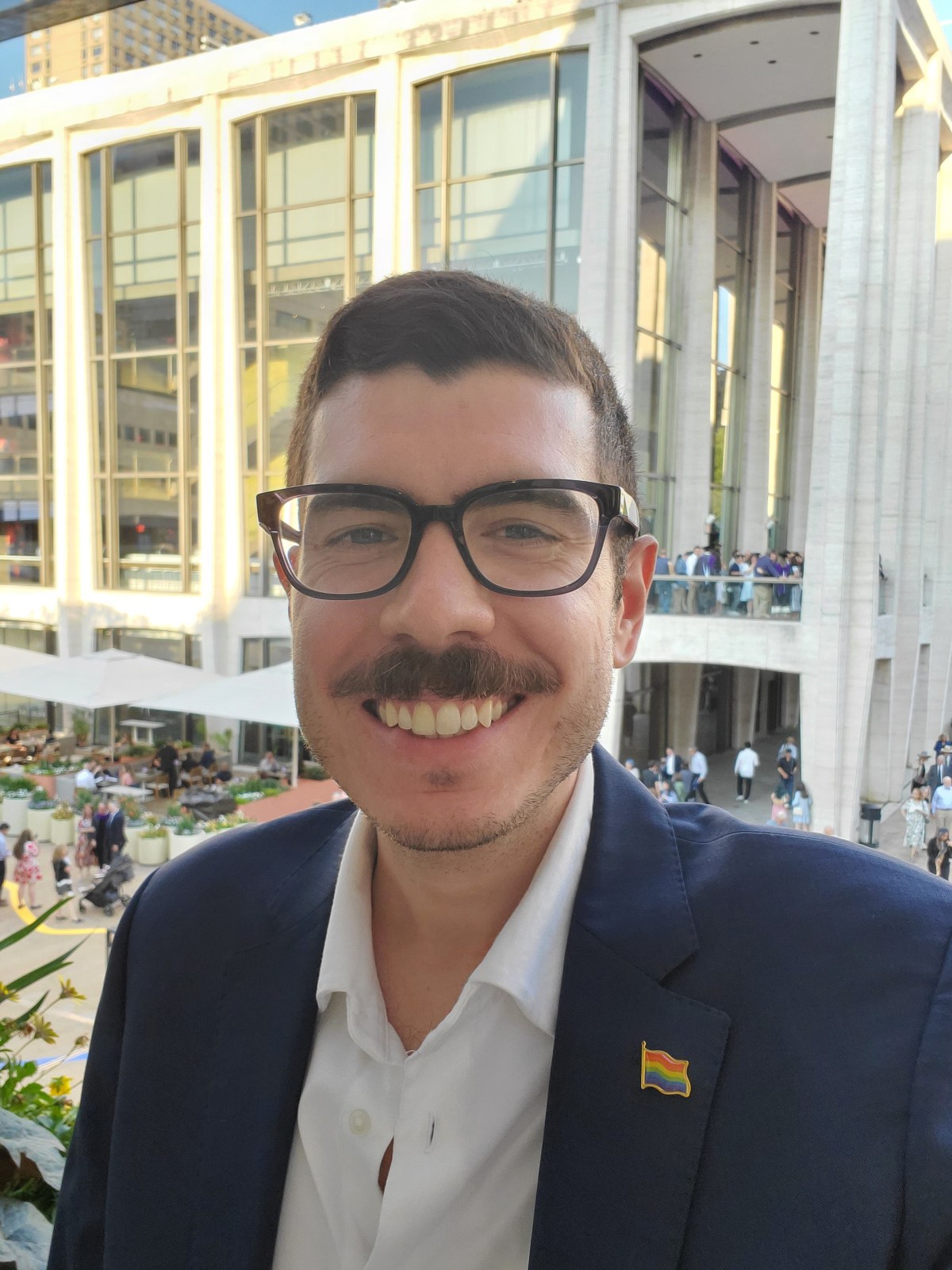
January Member Profile: Karl Reinhardt

Karl Reinhardt // Associate Transportation Planner, Cambridge Systematics

I work in transportation because I have always been fascinated by travel and the different and unique ways we all move through the world. From a young age, I gravitated toward walkable communities where daily life did not revolve around a car because they were so different from my usual surroundings. I grew up in suburban Connecticut where cars were a necessity for any sort of independence or freedom. I always felt this attachment to human-scaled cities, towns, and places because the walkability felt so fundamental to how I experienced them.

Over time, my curiosity deepened as I realized how central transportation is to nearly every aspect of society. Transportation sits at the intersection of public health, environmental sustainability, economic opportunity, and goods movement. Decisions about streets, highways, and transit systems shape air quality, safety, access to jobs, land use patterns, and the efficiency of industry. Few fields have such wide-ranging and tangible impacts on people’s daily lives. 

I am also drawn to transportation because it is a derived demand: we rarely travel for the sake of transportation itself, but to reach work, school, healthcare, social connections, and other opportunities. That framing forces a more human-centered perspective—transportation is not the goal, but a means to living a full and connected life. Understanding and improving that system, while recognizing its ripple effects across communities and the environment, is what continues to motivate my work in the field.

And, of course, for those of us who will happily get on almost any train, the joy of movement never quite disappears either.

As a Jersey City resident, I have to say PATH, but I also love bikeshare so I must mention CitiBike. And nothing is more glorious than a ride on a ferry in the summer.

Just one change is really hard and while there is so much to be said about regional transit connectivity and governance or developing more sustainable transit funding mechanisms, I will mention the importance of updating U.S. fuel economy standards to disincentivize the production of larger passenger vehicles. Light-duty passenger vehicles in the U.S. have become increasingly large on average over the past several decades because larger light-duty vehicles like trucks and SUVs have less stringent fuel economy targets than sedans or station wagons. This has made it easier and cheaper for manufacturers to comply with regulations if more of their fleet consists of bigger SUVs and trucks that have these less intensive standards. While this is a national issue, incentivizing the production of smaller and more fuel-efficient vehicles will have local impacts for the New York region.

With it being the start of the Mamdani Mayoral Administration, it’s impossible to not be inspired by his successful mayoral campaign, which centered on affordability and transit. Mayor Mamdani was even sworn in as mayor inside the now unused City Hall subway station, symbolizing his commitment to transit riders. I have also been inspired by leaders in other cities who have made efforts to support public transit. Mayor Wu of Boston, who similarly advocates for affordability and improving public transit, comes to mind as another city leader that has inspired me as a transportation professional. I hope we continue to see many more local and state policymakers that support affordable, sustainable, and safe transportation lead more cities and states.

I would tell myself to lean into my nerdy interests like city planning, infrastructure finance, and environmental policy because they can actually be the foundations for a great career 🙂

As a sustainable transportation planning and policy professional, I am looking forward to continuing my work of supporting cities, MPOs, and states in determining how their various transit, electrification, bicycle and pedestrian, and many other projects are supporting their climate change mitigation goals. While the transition to zero-emission vehicles is a critical strategy for reducing greenhouse gas emissions in the short-term from the transportation sector, I get excited when transportation agencies view their work supporting public transit also as a critical climate change mitigation strategy. And increasing funding towards transit to expand service, improve reliability, or increase frequency has multiple layers of benefits that go beyond carbon reduction. 

Grand Central Terminal has 44 platforms, more than any other train station in the world!

Categories
Member Profiles

December Member Profile: Gal Kramer

Gal Kramer // Transit Planning Principal, Via (and outgoing chair of YPT-NYC)

I’m a transit planner on the Via Strategies consulting team at Via, where I partner with public agencies to design and implement demand-response and multimodal transit services. Over the past five years, I’ve focused on helping small cities and rural communities improve mobility through innovative and equitable transportation solutions.

In addition to my transit planning work at Via, I’ve been on the YPT-NYC board for the past three years, most recently as the chair. I’m passionate about building community within the transportation field and supporting other emerging professionals. Originally from the Boston area, I moved to New York after finishing my Master’s in Urban Planning at the Harvard Graduate School of Design.

YPT-NYC has been one of the best ways I’ve met people since moving to the city. It’s a genuinely welcoming community of young, curious, and passionate transportation folks who care about making our cities better.

My interest in transportation grew out of sitting in Boston traffic and realizing that our cities could be designed to work better for everyone. I was fortunate to travel to many cities growing up, and those experiences inspired me to help improve the places where I live and the communities I work with. I am especially drawn to how mobility, climate change, and equity intersect, and I love the challenge of helping communities, especially smaller ones, build transit options that cut car dependency and expand opportunity. Transportation is connected to so many other issues, including access to economic opportunity, healthcare, and the creation of strong communities, and that broader impact is what keeps me excited about my work.

When Martin, YPT-NYC’s Deputy Chair, suggested we do a summer tour series after digging up some pre-COVID spreadsheets, I said, “Sure, why not? Sounds fun, let’s aim for 5-6 tours”. I definitely did not expect us to end up with 19 tours! These were my favorite events of the year, and I’m so proud of all the hard work our board put into making these happen.

I especially loved the walking tours. The QueensLink tour was a favorite: exploring neighborhoods I rarely get to visit and imagining what a better transit future could look like. And as a big history nerd, visiting both the TBTA Archives and the NYC Public Design Commission Archives was a total delight.

YPT-NYC has been one of the best ways I’ve met people since moving to the city. It’s a genuinely welcoming community of young, curious, and passionate transportation folks who care about making our cities better. I especially love hearing what others are working on. Since my projects aren’t NYC-based, it’s been such a fun way to learn what’s happening across the region and stay connected to the local transportation world. This year we ended up with more than 50 events on the calendar, which made it such a lively and fun year to be involved.

I’ve loved helping plan events over the past three years and being part of building such a vibrant YPT-NYC community. I’m excited to see (and attend!) all the great events coming up next year.

Walking! It’s my favorite way to explore a neighborhood and really get to know an area. But if I actually need to get somewhere on time, it’s definitely the subway. The Q is my go-to train and honestly my hero, if only it came a little more often.

In addition to making the Q run a bit more often, I’d love to see much better transit connections to our airports. I travel a lot and would be very happy to stop spending half my trip just trying to get to the airports by public transit. I’d also love truly fast and reliable regional rail. We’ve made some progress, but imagine being able to commute to Boston or DC, or heading to Chicago for the weekend, all without getting on a plane, that would be incredible.

Categories
Member Profiles

October Member Profile: Felix Stetsenko

Felix Stetsenko // Senior Consultant at WSP USA

Felix is a Senior Consultant with WSP Advisory Services’ Business Transformation national practice area. Felix works with local governments, transit agencies, and railroads to help them do more – operate faster and more reliable transit systems, deliver transformation investments quicker and at lower cost, reduce energy costs and consumption, and empower their employees to make the best decisions and continuously improve operations.  His experience includes driving forward the planning for and implementation of a transit agency’s vision for a transformation of its rail infrastructure division from a reactive (coordinating triage and repair of broken assets) to a proactive operation focused on improving asset reliability and preventing asset failures, guiding development of a governance framework for a hypothetical cross-border high speed rail corridor, and streamlining communications and incident response protocols within a rail operations control center with an aim to improve safety and reduce response timelines.   

He has a B.A. in Economics from Amherst College and is an avid train enthusiast, cyclist, swimmer, and urban explorer.  Felix is passionate about trains and transportation, their intersection with urban policy and development, and building more prosperous, equitable, and sustainable cities and regions.

I’m passionate about making transportation work better – it’s the path towards a more sustainable, equitable, and prosperous future.

Robust transportation links people to jobs, neighborhoods to healthy food, kids to schools, and communities to each other. It’s the lifeblood of our communities – and congested highways, unsafe streets, and unreliable mass transit imperils lives and livelihoods. I’m passionate about making transportation work better – it’s the path towards a more sustainable, equitable, and prosperous future.

Citi Bike!

Bring a Paris RER-type regional rail network to New York.

Imagine a world where one can travel from Jamaica Station to Newark (extend PATH to Atlantic Terminal… and continue running along the LIRR’s Atlantic branch!), White Plains to Paterson (link Grand Central and Penn Station via new tunnels… and through-run Metro-North out to New Jersey), or Hoboken to 125th Street (tunnel under the Hudson… and build a new corridor up through Manhattan). We’d have a better-connected region, with a larger and more integrated labor market (commutes – and jobs – once impossible can now be made with ease), healthier housing market (affordable, further-flung places are now within easy-commuting distance from our job hubs), and reduced emissions (commutes that are only feasible with a car today can be replaced by mass transit).

New York would be a richer region with it… we just need a new regional governance framework to get it done!

Citynerd for the urbanist content and dry (but great!) humor, AASHTO’s Daily Transportation Update for news about all things transportation (my day would be incomplete without it!), Mass Transit magazine for deep dives into public transit happenings around North America.

Categories
Member Profiles

September Member Profile: Madeline Mack

Madeline Mack // Graduate Engineer at Network Rail

I’m a Graduate Engineer working in passenger rail, currently supporting infrastructure and systems projects for major transit clients such as PATH and the California High Speed Rail Authority. I have a degree in Industrial and Systems engineering from Auburn University and have worked for Network Rail Consulting (NRC) for the past two years.  Network Rail Consulting is the international consulting arm of Network Rail, the large public organization which owns and operates the United Kingdom’s vast rail network. As an NRC Graduate Engineer, I’ve traveled to the UK and received hands-on training in railway signaling alongside UK railway engineers.  I’m passionate about contributing to the future of rail transportation by creating systems that are safe, reliable, and built for the long term.

Don’t be afraid to take risks — you’ll learn the most from the things that scare you a little.

I chose to start my career in transportation because honestly, I find it exciting. Transportation is an essential part of how societies function and grow. It’s a dynamic industry where I can contribute to real-world solutions, whether by improving efficiency, enhancing safety, or supporting sustainability. What excites me most is the opportunity to be part of a system that is constantly evolving. I want to be involved in shaping systems that are not only efficient and reliable but also accessible and environmentally responsible. Ultimately, I’m motivated by the idea of working on something bigger than myself by contributing to infrastructure that helps people access essential services, employment opportunities, and connect with their community.

My favorite way to get around is the subway – especially the 1, 2, and 3.

I am inspired by family who are hard-working, determined, and never losing sight of what truly matters.

I would tell my younger self to trust myself more, worry less about what others think, and don’t be afraid to take risks—you’ll learn the most from the things that scare you a little.

Grand Central Terminal has 44 platforms which is more than any other train station in the world.

Categories
Member Profiles

August Member Profile: Eric Focaraccio

Eric Focaraccio // Facility Design Specialist, Transit & Rail Architecture at WSP

Eric has a Master’s degree in Architecture from Rensselaer Polytechnic Institute and a B.S. in Landscape Architecture from Cal Poly Pomona. Since graduation, he has worked at WSP for 7 years initially as an Architectural Consultant on the NYC Transportation Facilities Group and is currently a Facility Design Specialist on the Fleet & Facilities division of the national Transit & Rail business line. His focuses have ranged from transit station ADA upgrades to the transition towards zero emissions bus maintenance facilities. He has great passion in the design towards a more inclusive, accessible, and healthier environment. With this passion, he has pursued the promotion of a more inclusive, diverse, and equitable workplace through his involvement as a national Vice Chair of WSP Developing Professionals Network (DPN), committee member of WSP VIBE (Visibility & Inclusion in the Built Environment), member of the national WSP Inclusion & Belonging (I&B) Council, and currently the national Chair and founder of WSP APIC (Asian & Pacific Islanders Collaborative). He also has held board of directors and committee positions on Young Professionals in Transportation (YPT) International and Build Out Alliance.

Witnessing the inaccessibility of all these stations first-hand, I would love to change all infrastructure instantly with a snap!

I’ve been passionate and dedicated to the transportation industry since graduation. My summer internships and semester in Manhattan provided me with the first-hand experiences of utilizing public transit to accessibly navigate a huge city for its numerous opportunities. I grew up in the suburbia of California, where everyone needed a car and public transit wasn’t a viable option. I was excited to move across the country, where my experiences changed for the best and I was truly provided with the opportunity to understand the importance of public transportation to the livelihoods of millions of people.

Ferry because it’s amazing to be out on a boat and be able to view the skyline of our different boroughs.

I’ve conducted ADA feasibility studies of over 80+ MTA subway stations. Witnessing the inaccessibility of all these stations first-hand, I would love to change all infrastructure instantly with a snap!

My mother is the most compassionate, hardworking, and supportive person that I know. I can only strive to be as amazing as her.

Never give up on your dreams and you don’t have to prove your worth just to fit in. You are worthy, seen, and we are proud of you.

The energy transition for various transit agency bus fleets

The word “bus” comes from the Latin word “omnibus,” meaning “for all”

Categories
Member Profiles

July Member Profile: James Cretella

James Cretella // Senior Transportation Engineer, Arup

I’m a Senior Transportation Engineer at Arup, working for my esteemed colleague and former YPT Chair Kristy Tu! I specialize in traffic modeling and simulation, with a big focus on airport landside planning. Over the past eight years, I’ve modeled roadways at every major NY airport including LGA Terminal C, JFK Terminals 4, 5, 7, and the new Terminal 6, and just about all of Newark. I’m also really passionate about street safety, having been a survivor of a motor vehicle collision on my bike. I will never allow unsafe designs to cross my desk!

It’s up to us to be brave and bold in the face of unhinged opposition to protecting and saving lives on our streets from traffic violence.

Picture it, Drexel University, sophomore year, a baby faced semi-closeted twink in the Civil Engineering program who was so unsure about his future. Suddenly, a savior arrives, a professor gives a passionate and funny presentation about this strange, unique field called traffic engineering. These engineers “model” traffic? They work on roads, traffic signals, sidewalks, highways? That’s a thing? Who knew! From that moment, I realized it was the perfect field for me. I always had an interest in transportation infrastructure since childhood, and once I knew it was a specific career path, I was sold.

I’ve only recently moved to an area with SBS lines that I can use and boy is it a game changer. Frequent service? All door boarding? Not stopping an ungodly high number of times every other block? Sign me up!

I would wake up the city to the failure that is our roadway system full of death and mayhem.

We aren’t where we should be with respect to Vision Zero, and a frightening number of people simply accept what’s happening on our roads as a fact of life, rather than something to be fixed. It’s up to us to be brave and bold in the face of unhinged opposition to protecting and saving lives on our streets from traffic violence.

Always bring your full, unapologetic self into whatever you do. Energy vampires are forgettable, whereas people remember our passion and interest. Holding yourself back makes any environment suck, whether in school, at work, or in your personal life. Be out, be open, surround yourself with friends and colleagues who accept you and your passions, and ditch the ones who don’t.

I’ve been deep in the weeds helping prepare Toronto Pearson Airport for future passenger demands. It’s been a fun challenge to perform traffic modeling of the airport and stress test the roads and highways. If there’s still traffic issues in the future, just remember, I can give the airport advice, but they have to choose to spend money to enact that advice!

Categories
Member Profiles

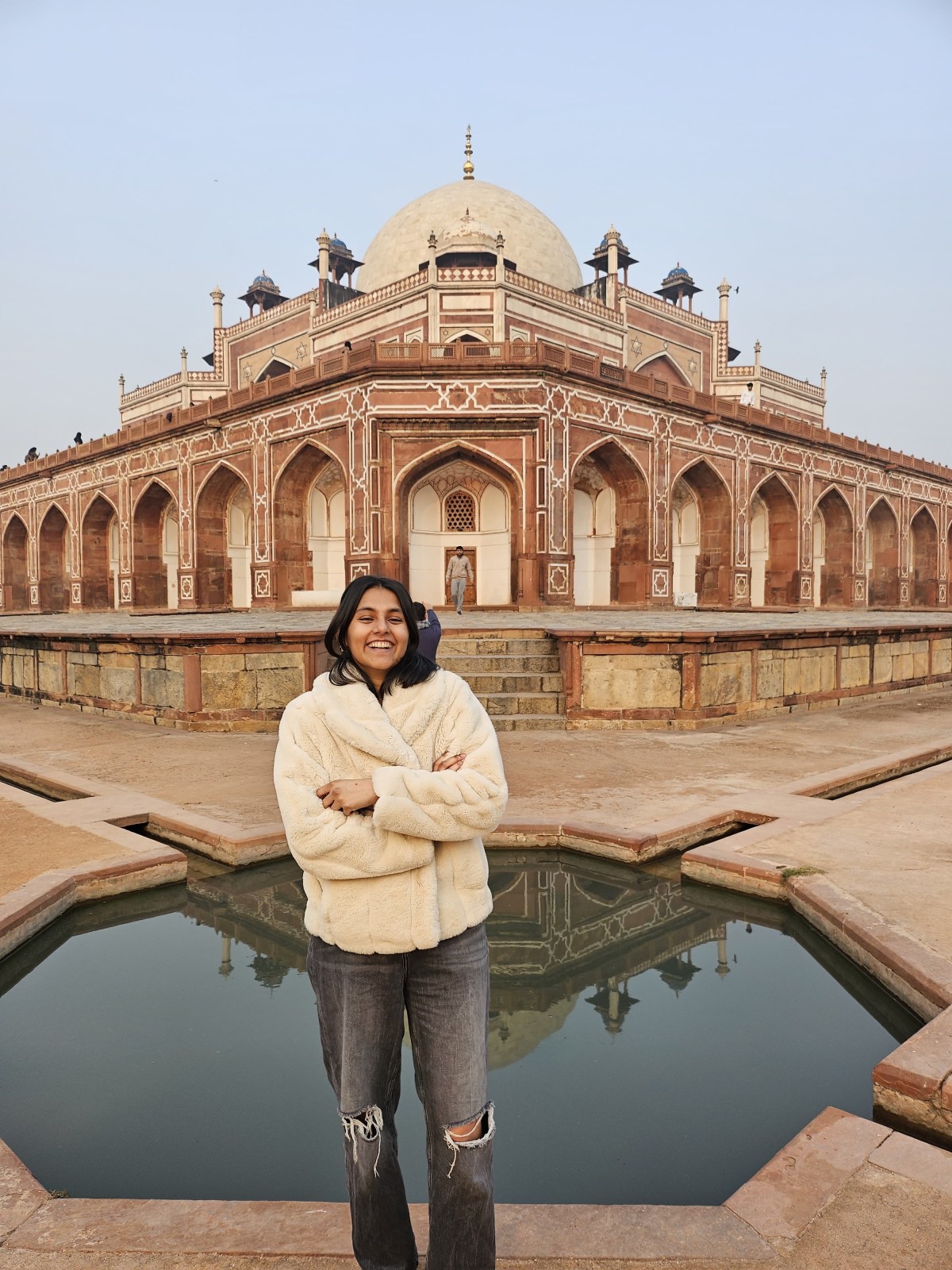
June Member Profile: Nida Khan

Nida Khan // Transportation Planner

I’m an architect/planner from India. I love spicy food and I love to complain and I talk a lot. I am an introvert though so I’ll only talk to you after I’ve practiced it in my head.

It’s okay to complain and whine about things when you don’t like something or it’s out of your comfort zone … but keep pushing!

I wanna say I always wanted to do transportation, but that’s not true; I kind of fell into it… and loved it? I actually did architecture for my undergrad, and kinda secretly always wanted to work for the government and with the community. And that kind of ties in with transportation somehow.

Walking and maybe buses.

That’s a very dangerous question, but for now – maybe to make it safer?

That it’s okay to complain and whine about things when you don’t like something or it’s out of your comfort zone but to still keep pushing!

I’m currently working on a pursuit for a rail corridor in NJ. This isnt NYC, but bringing more public transit to NJ has become an emotional goal in my life.

I recently read that Japan has a train station just for a summer festival that apparently only opens for 2 days yearly.

Categories
Member Profiles

May Member Profile: Evan Morris

Evan Morris // Data Scientist, MTA

Evan is a data scientist at the MTA, working primarily on congestion pricing. He pivoted to transportation data science after a PhD in astrophysics, where he worked on projects related to telescope instrumentation and infrastructure. Now, he works to build out the core data infrastructure for the MTA as a whole, with specific focus on supporting the launch and rollout of congestion pricing.

As long as you can use and speak to the value added along the way, pivoting is less alarming than it seems on the approach.

I’ve always found the way massive systems work fascinating — whether a star system or a subway system, but I really got into transportation because of the MTA’s robust open data program. When I was shifting from academia to industry, I worked on projects using MTA data, as well as many other datasets from city agencies — and heard about this job while digging into the intricacies of the elevator/escalator data from the subway system.

My own two feet! I love a long walk — once, I walked to LaGuardia just to see if I could get to the terminals on foot (you can, but really only to one of them). If I don’t have several hours to kill then the subway is my second favorite — with the 7 as my top train, and the G as my underdog fave.

I would absolutely increase subway accessibility to 100%. Elevators in every station as a baseline, broader and more consistent accessibility features throughout the system, thorough communication about any changes, and robust alternative routing when disruptions occur. We have such an impressive public transit system, but everything really falls apart when you need fast, reliable options as a wheelchair user.

Don’t be afraid of the indirect route — every project I’ve worked on has built skills I still use today, even when the throughline isn’t obvious. Building a career is nonlinear, and as long as you can use and speak to the value added along the way, pivoting is less alarming than it seems on the approach.

I have been so lucky to work on the congestion pricing launch during so much of my time at the MTA. I’ve learned so much, both on the technical and policy sides of things. I’ve enjoyed being up close and personal with the early results, and I’m excited to see how things progress longer term.

Categories
Member Profiles

April Member Profile: Jerom Theunissen

Jerom Theunissen, PE // Transportation Engineer, Executive Advisor, Global Transportation at Jacobs

I’m a Dutch-American transportation engineer, innovation strategist, and executive advisor based in NYC. I work at Jacobs, where I support global transportation growth strategy and help teams design creative, human-centered mobility solutions. My passion lies at the intersection of engineering, urbanism, and public policy. I’ve led transportation decarbonization projects for the MTA and U.S. Department of Defense, coached innovation teams worldwide, and traveled to 35 cities through a global fellowship to study how mobility shapes livability.

Transportation is not just infrastructure — it’s a lever for justice, opportunity, climate action, and freedom.

From a young age, I was fascinated by how cities work—and more importantly, how people move through them. I’ve always believed that mobility is a fundamental right. After completing my undergraduate degree, I conducted the Michael B. Keegan Traveling Fellowship, where I visited over 35 cities—from Tokyo to Nairobi to Copenhagen—studying how transportation systems impact urban livability. I saw firsthand how something as simple as a bus lane or a bike path could dramatically improve quality of life. I also saw how inequitable or fragmented systems could deepen social and economic divides. That journey confirmed what I had always felt: transportation is not just infrastructure—it’s a lever for justice, opportunity, climate action, and freedom. That’s why I chose transportation: it’s the pulse of every thriving city.

My Citibike, hands down. There’s something grounding about navigating the city under your own power—dodging traffic, catching green waves on Second Avenue, and getting where you need to go while seeing the city up close. Plus, it’s often the fastest option for short distances in Manhattan!

Seamless regional fare integration across all modes and agencies. As someone who’s studied mobility systems in over 30 cities worldwide, I’ve seen how transformational this can be. In Stuttgart, Germany—and many other cities across Europe and Asia—streamlined regional networks make it incredibly easy for people to move between cities, suburbs, and rural areas using a single pass or card. It’s not just about convenience; it’s about equity, efficiency, and reducing car dependence.

When transit systems are integrated—with coordinated fares, schedules, and branding—it simplifies the experience for the user and boosts ridership across the board. It also helps regions function more cohesively, supporting economic development, climate goals, and access to opportunity. Too often in the U.S., fragmented governance and funding structures get in the way of delivering this kind of unified experience. But if we’re serious about mode shift and sustainability, we need to start thinking—and building—at a regional scale.

Janette Sadik-Khan, for bringing a bold, unapologetic sense of urgency to transforming NYC’s streets. She didn’t just talk about reimagining public space—she acted, quickly and visibly. Her approach showed that you don’t need a 10-year capital plan to start changing minds. With paint, planters, and pilots, she helped shift the public perception of what our streets are capable of and who they are truly for. That kind of agility and human-centered thinking is exactly what we need more of in transportation.

Be bold. The best opportunities come when you step into the unknown—and travel is the best education you’ll ever have. Trust your instincts, ask more questions, and say yes before you feel ready.

I’m helping shape Jacobs’ global transportation strategy across various sub-modes – aviation, rail & transit, ports & maritime, and highways & bridges—translating market trends into real-world wins for our clients and cities. On the ground, I’m proud of my work with the MTA on OMNY, solving technical issues and coordinating the deployment of OMNY vending machines across NYCT, and with IBX, where I analyzed traffic and pedestrian impacts for this new transit corridor. These projects bring big visions to life—and I love being in the thick of it.